
Your backstage pass
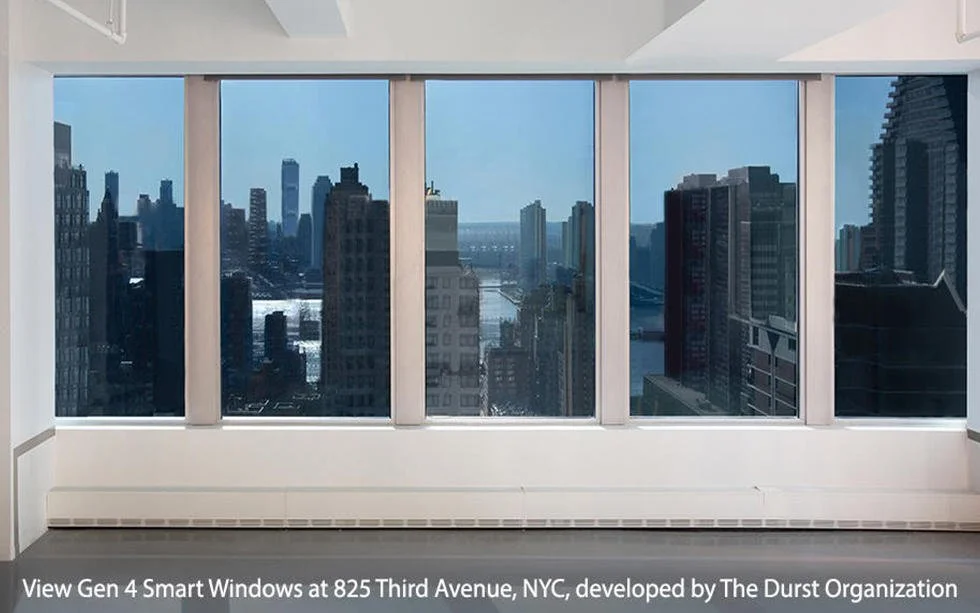
Think you have to compromise on color quality when you choose smart windows? Think again.
Today, smart windows are installed and designed into well over 100 million square feet of buildings and are being adopted at a rapidly growing rate by leading companies such as Google, Walmart, Amazon, Uber, Dallas-Fort Worth Airport (DFW), among many others […]
Written by View, Inc.
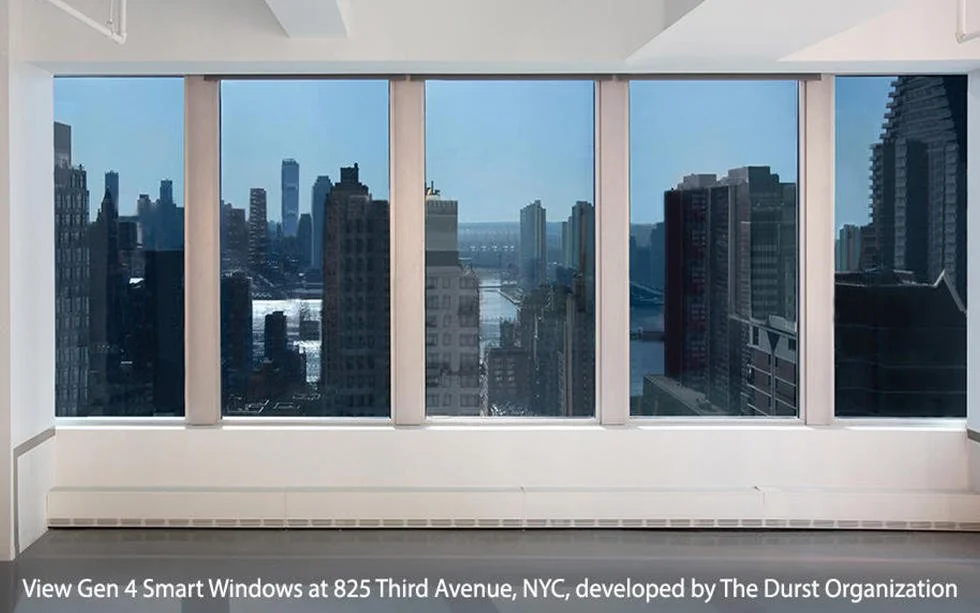
Think you have to compromise on color quality when you choose smart windows? Think again.
Smart windows have come a long way from their days of small proof-of-concept installations and limited design flexibility. Today, smart windows are installed and designed into well over 100 million square feet of buildings and are being adopted at a rapidly growing rate by leading companies such as Google, Walmart, Amazon, Uber, Dallas-Fort Worth Airport (DFW), among many others.
While increasing awareness of the sustainability and health benefits of smart windows are bringing the technology into the mainstream, another key reason for the recent surge in adoption is the improvement of the color quality of smart glass. The material science behind smart glass is incredibly complex, and for quite some time the reality was that to achieve maximum heat and glare control, compromises had to be made in the color quality of the glass in its tinted state.
View has pioneered advancements in the manufacturing process over the last several years so building owners and architects no longer have to choose between heat and glare control and color quality. Over the last year, buildings across the country have opened their doors with View’s latest generation of smart windows. View Gen 4 Smart Windows provide the industry’s most neutral color and picture-perfect clarity, while continuing to deliver best-in-class heat and glare control by blocking 99.5% of light in their darkest tint state.
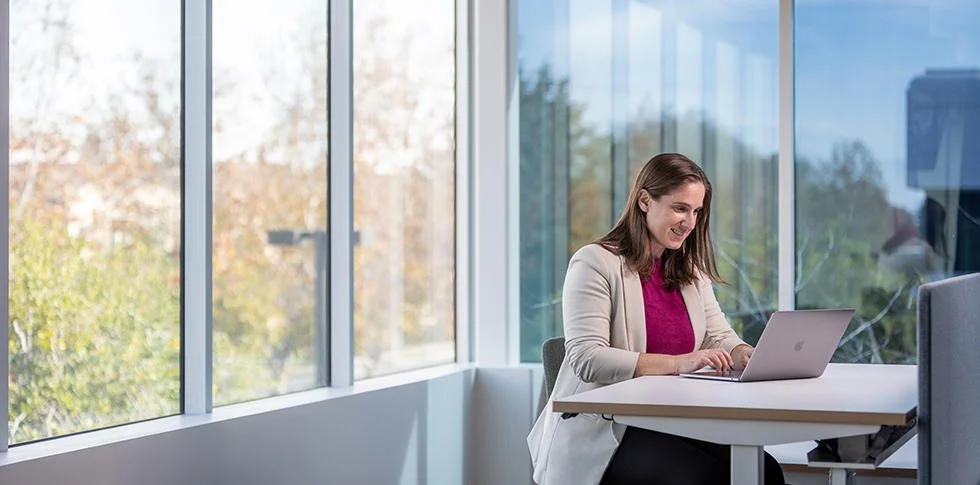
View installation at Methodist University Hospital
The importance of color
The benefits of smart windows are well established. Occupants in buildings with View Smart Windows enjoy unobstructed views, experience fewer headaches, and sleep better at night. But color quality has an impact on the occupant experience as well as the perception of the glass. High color quality renders skin tones and interior finishes more naturally, maintains the vibrancy and authenticity of views to the outside, and makes lighting the space simpler.
Measuring color quality
Color quality of daylight can be characterized using the same metrics that the architectural lighting industry uses for electric lighting. Color temperature expresses how “warm” or “cool” the light is, color fidelity expresses how accurately it renders colored objects and finishes, and color gamut expresses how saturated colored objects appear.
View Gen 4 Smart Windows color performance
The photo comparisons below show the effect that improved color fidelity can have on the appearance of skin tones in a building and views to the outside. View Gen 4 Smart Windows’ superior color fidelity and color rendering with visible light transmission (Tvis) of 1% are evident in both cases.
Effect on skin tones
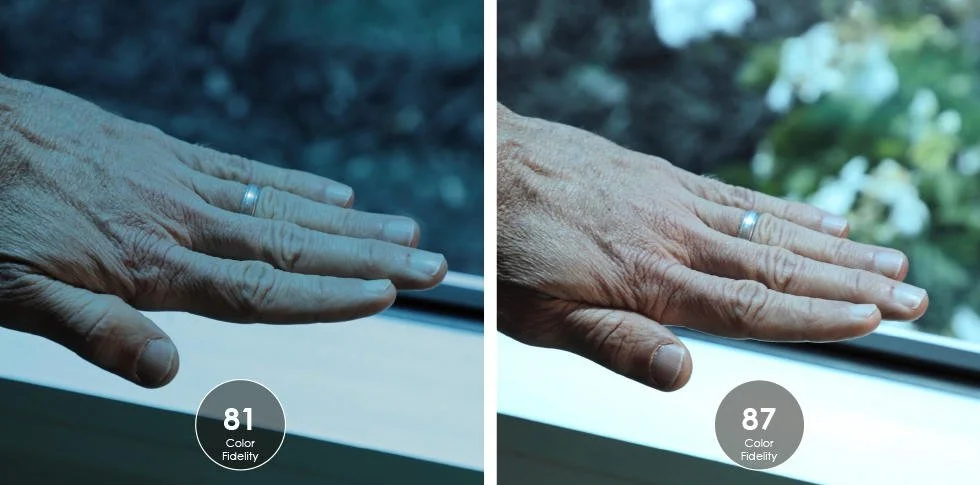
Left: Traditional EC glass at 1% Tvis; Right: View Gen 4 at 1% Tvis
Effect on exterior views
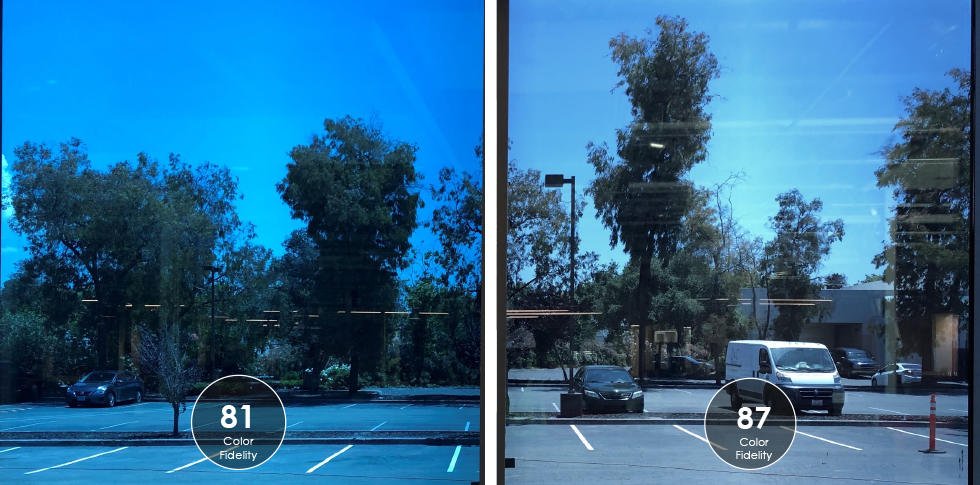
Left: Traditional EC glass at 1% Tvis; Right: View Gen 4 at 1% Tvis
For more details on the color quality of View Gen 4 Smart Windows, please download our color quality whitepaper.
Maintaining optimal glare control
Though color quality may be the first thing an occupant notices about smart windows, it is crucial to maintain the fundamental benefits of the product—protection from heat and glare—while improving color quality. In a building with traditional windows, occupants will typically close the blinds when direct sunlight is causing intolerable glare, but in a building with smart windows they rely on the tinting to keep the room comfortable.
In a study of the effectiveness of smart windows in different tint states in three major US cities, it was found that the glass must block out at least 99% of light (equal to a Tvis of 1%) during periods of direct sunlight in order to significantly reduce intolerable glare. Increasing the amount of visible light transmission by just 1% results in hundreds of hours per year of intolerable glare.
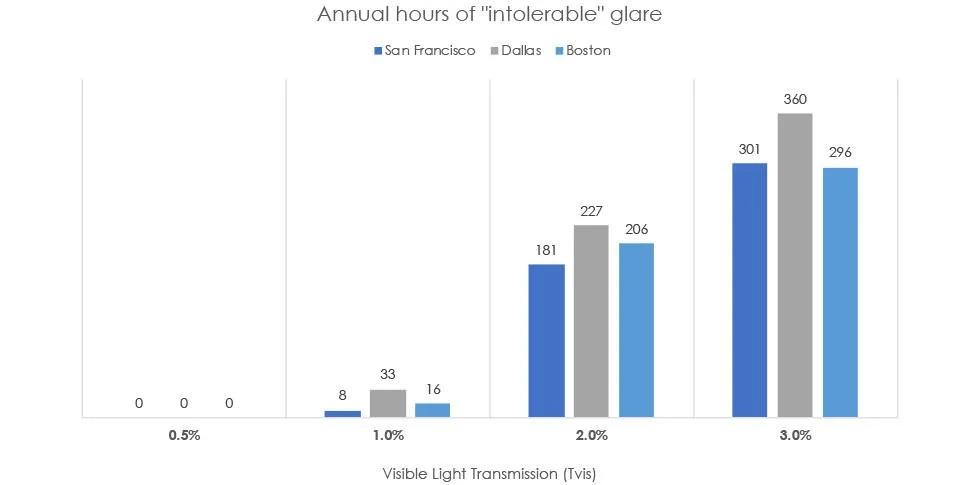
The implications for building owners are significant. Other smart windows options on the market have mitigated color quality issues either by simply tinting the glass less, increasing visible light transmission to 2%, or by leaving part of the window untinted. As the above chart makes clear, a building with smart windows that only blocks out 98% of light will result in uncomfortable occupants and will ultimately still require blinds, defeating the entire purpose of smart windows.
View Gen 4 Smart Windows are the only product on the market that can block up to 99.5% of light while also delivering the industry’s most neutral color quality, enabling building owners and architects to design without compromise. Learn more: https://view.com/product.
Atlanta’s The Interlock Featuring View Smart Windows Wins Prestigious Commercial Construction Award
The Interlock is set to delight future residents, employees and visitors with ample natural light and access to views through View Smart Windows […]
View, Inc.
Atlanta’s The Interlock Featuring View Smart Windows Wins Prestigious Commercial Construction Award
The Interlock is set to delight future residents, employees and visitors with ample natural light and access to views through View Smart Windows.
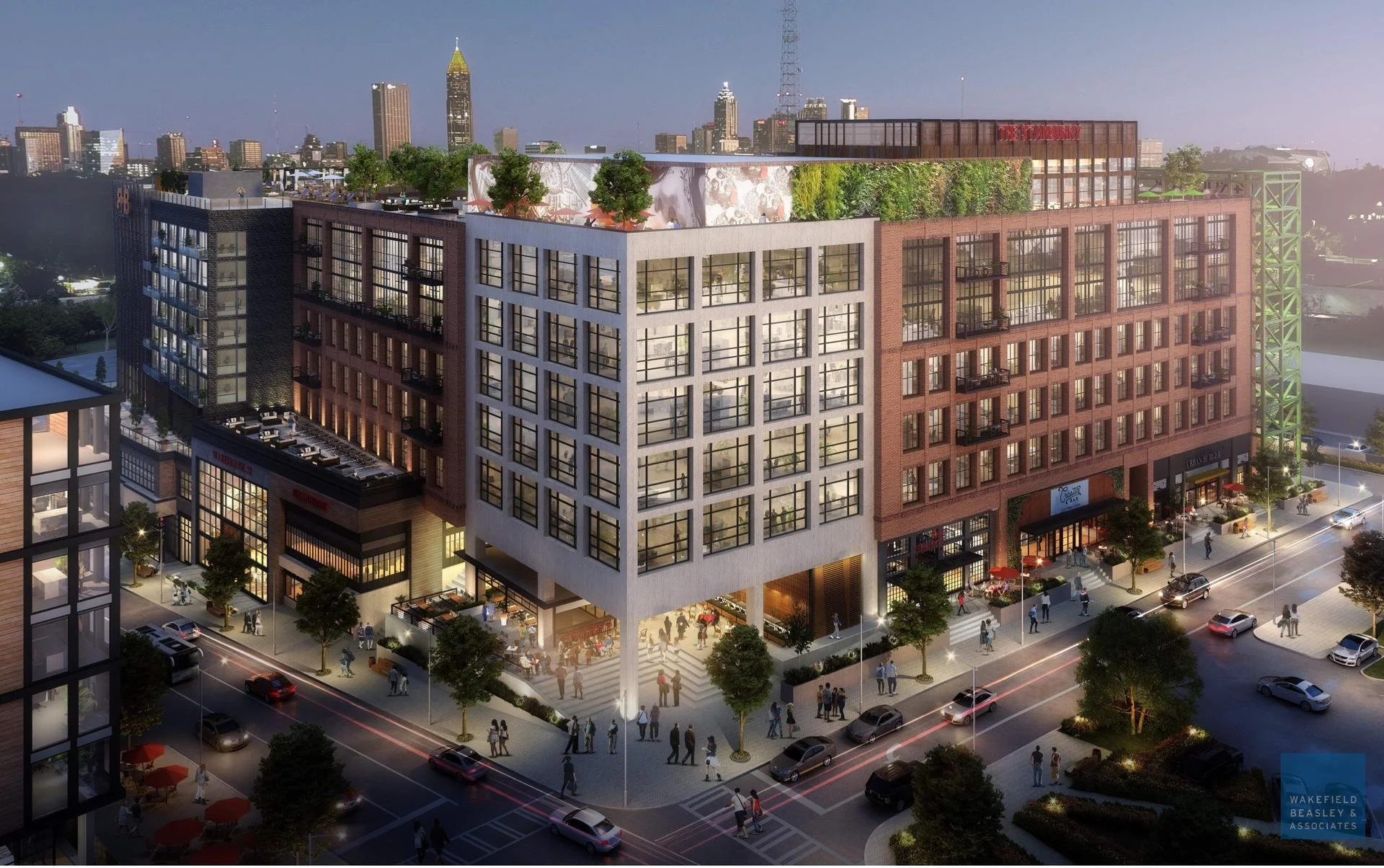
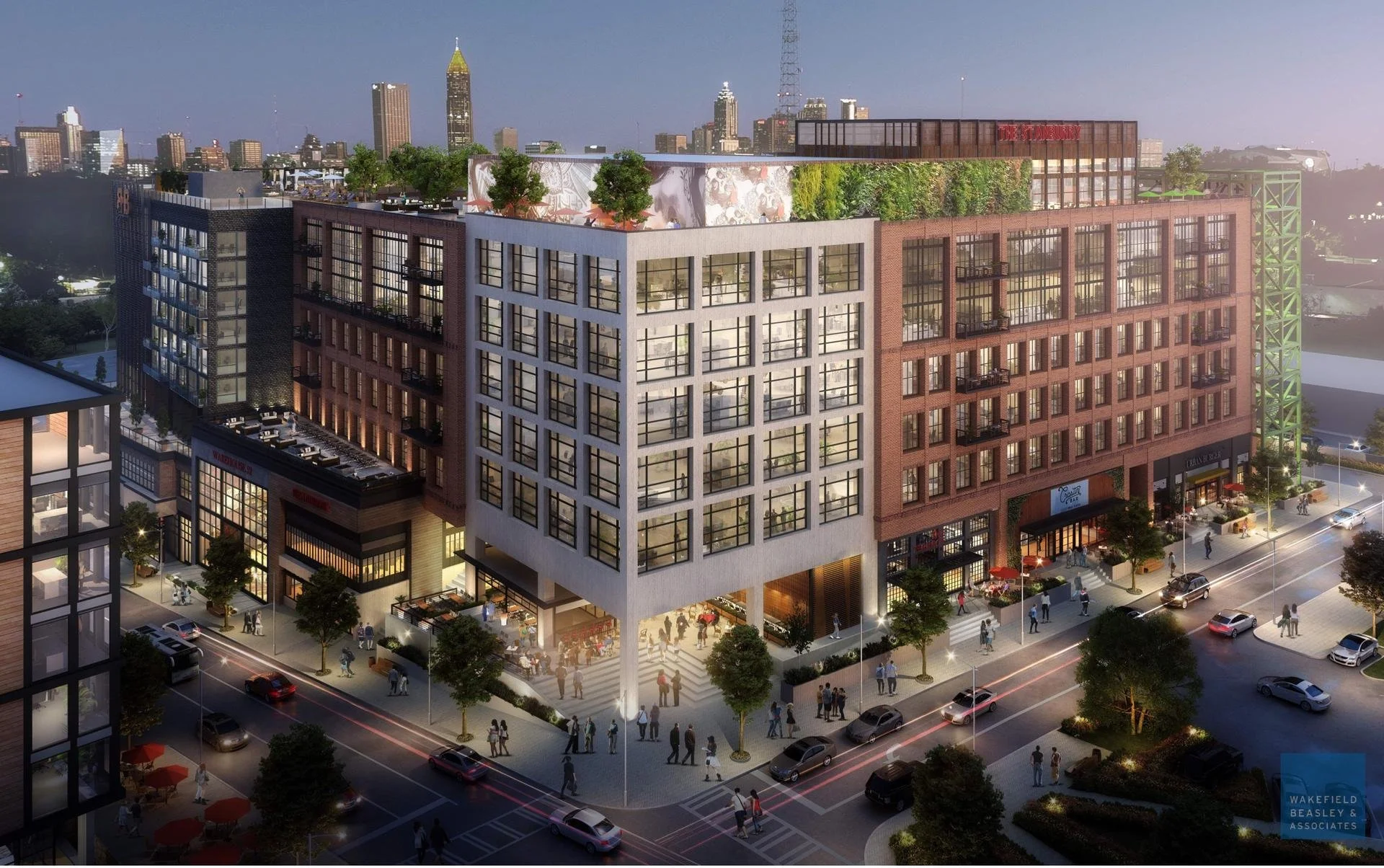
The corner of Howell Mill Road and 14th Street in Atlanta will soon look smarter than ever as developer S.J. Collins Enterprises builds out the new $450 million mixed-use development The Interlock featuring View Smart Windows. The Interlock was recently recognized by Commercial Property Executive (CPE) with a silver award in the Unbuilt category for its exceptional mixed-use site plan design and commitment to sustainability, earning S.J. Collins Enterprises a prestigious 2019 Distinguished Achievement Award. CPE’s Distinguished Achievement Awards recognize commercial real estate industry’s most noteworthy properties and transactions.
Scientific research has proven View’s smart windows enhance mental and physical wellbeing by significantly reducing headaches, eyestrain and drowsiness and studies show significant gains in productivity as a result. In addition, they control heat and glare, which improves the energy efficiency of buildings by up to 20 percent.
“Choosing View Smart Windows allows us to create a new type of office environment that will dramatically improve productivity with big open spaces that feature the floor-to-ceiling windows,” said Jeff Garrison, partner at S.J. Collins Enterprises. “In a tight market, it’s amenities like this that allow us to be successful and attract high-profile clients who are looking to take their office environment to the next level.”
The Interlock is slated to open in Fall 2020 and will offer a versatile mix with 200,000 square feet of creative office space, 100,000 square feet for retail and restaurant space, 350 apartment units, 70 single-family homes and a boutique hotel. It’s easy to imagine future employees, residents and visitors enjoying the vibrant streetscape of Atlanta’s West Midtown neighborhood through the beautiful, smart and healthy views that View Smart Windows create.
SFO Chooses View for Terminal 1 Renovation
San Francisco International Airport (SFO) has joined a large and growing list of leading airports rapidly adopting View Dynamic Glass […]
View, Inc.
SFO Chooses View for Terminal 1 Renovation
San Francisco International Airport (SFO) has joined a large and growing list of leading airports rapidly adopting View Dynamic Glass and setting a new standard in delightful passenger environments.
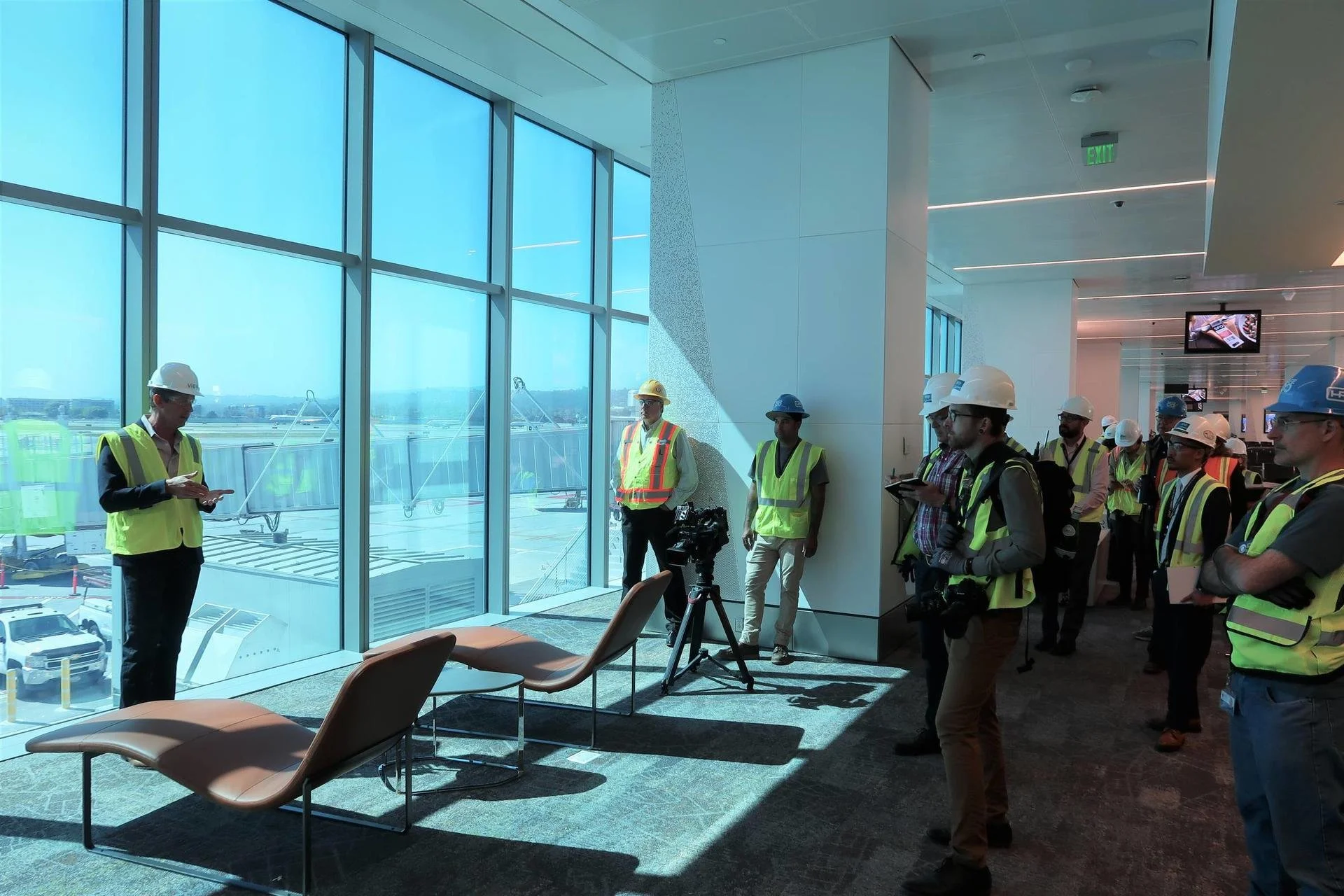
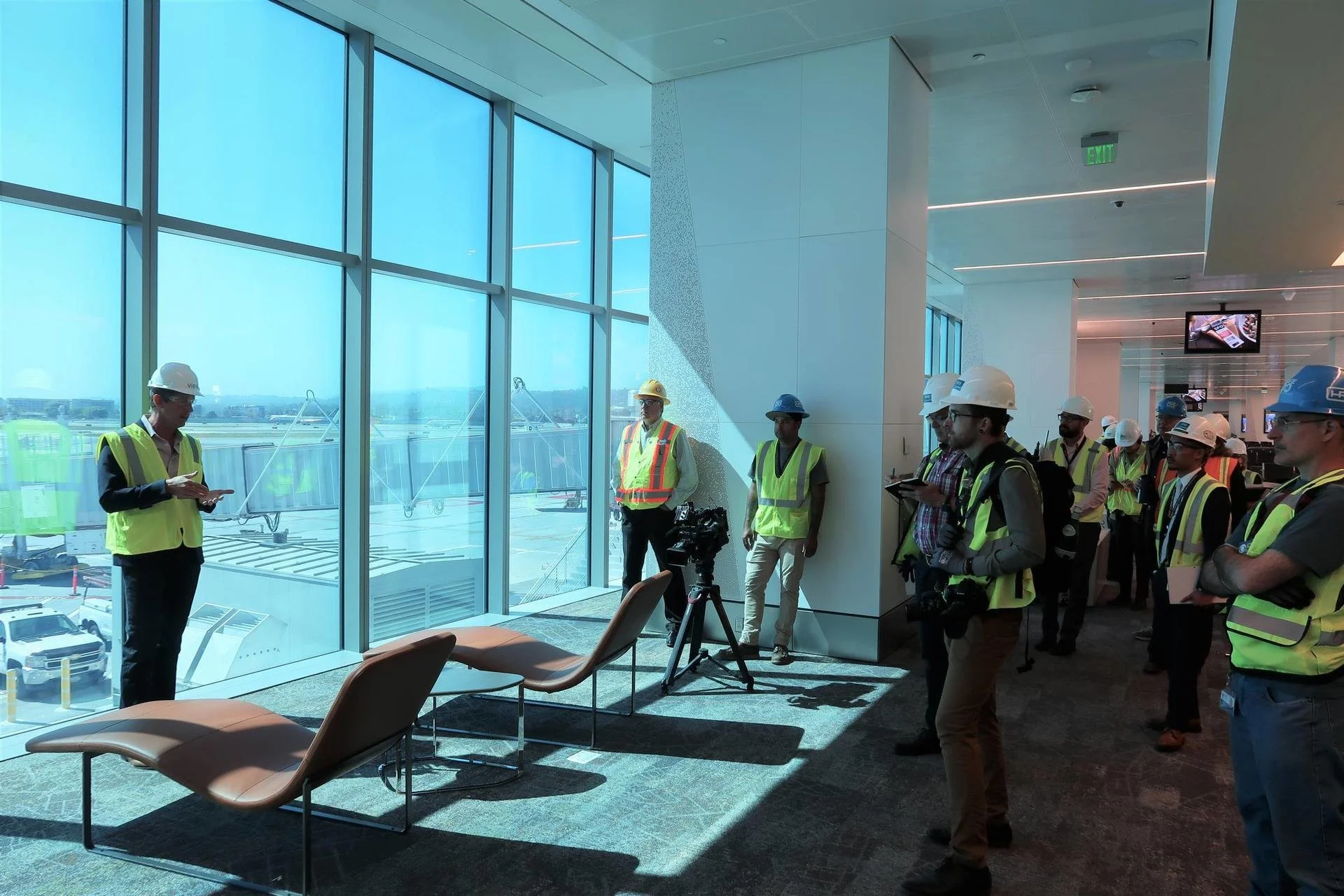
View’s smart windows are featured in the airport’s Harvey Milk Terminal 1 Redevelopment Program – Phase I opening to the public on July 23, 2019. The nine-gate, 224,660 - square foot addition will serve JetBlue and Southwest airlines.
The terminal’s design innovations are driven by analytics, technology, sustainability, and the passenger experience.
“One of the unique features of this facility is a discreet use of technology in a way that enhances the guest experience, makes people very comfortable and relaxed, but also helps us achieve some of our sustainability, environmental goals,” said Doug Yakel, SFO’s Public Information Officer during an exclusive media preview. “One of the most unique features is this programmable dynamic glass from a company called View.”
Aesthetically, passengers will take notice of the wide open and spacious feel of the terminal. High ceilings, architectural detail, and natural daylight intuitively guide guests towards the gate lounges - all surrounded by View Dynamic Glass.
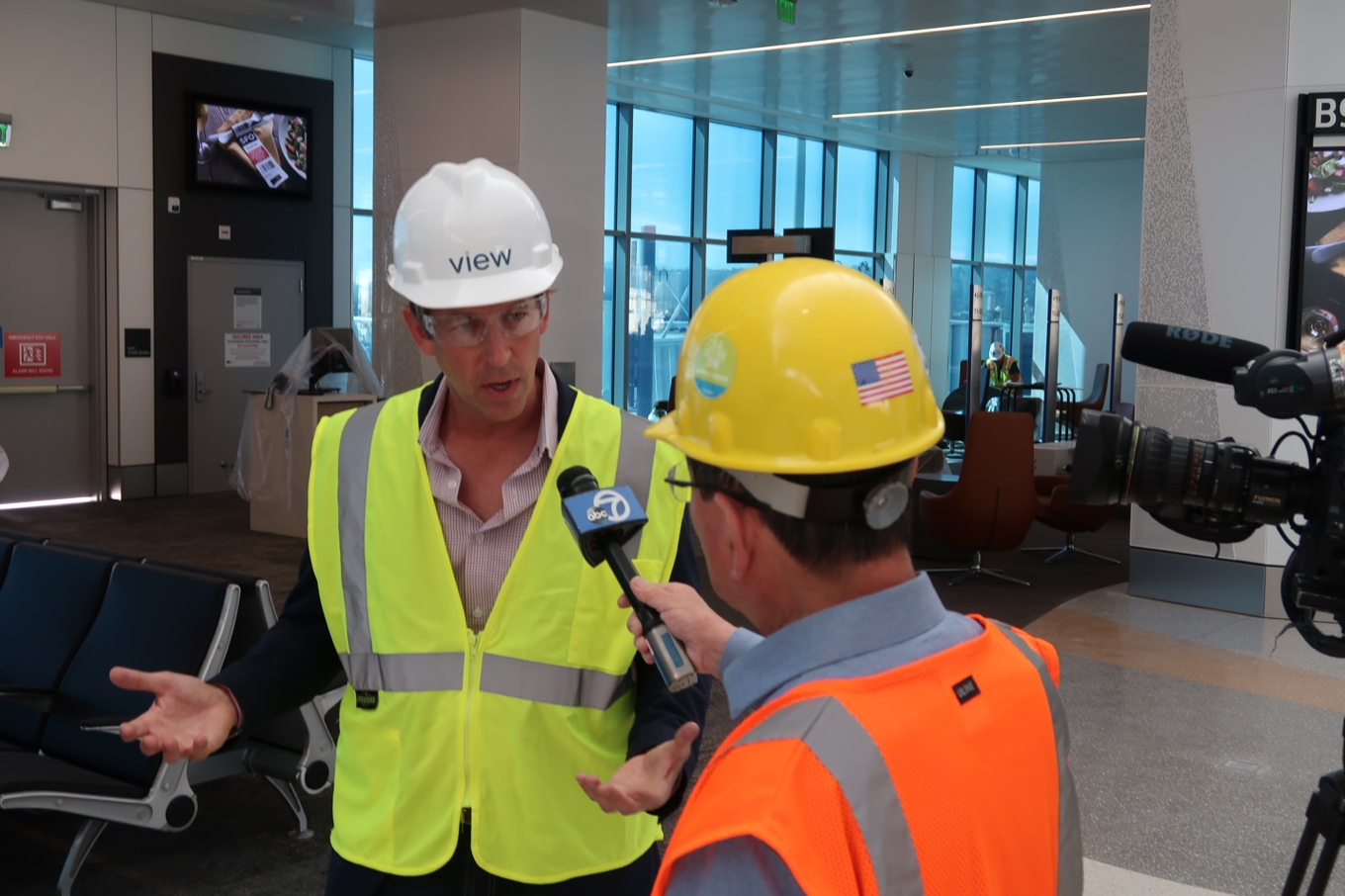
View CTO Robert Rozbicki interviewed by ABC TV News at SFO’s Media Preview
View Smart Windows reduce glare and unwanted heat within the terminal, providing a more comfortable environment for passengers and airport employees while also enabling SFO to reduce their carbon footprint.
Guests will pay special attention to the Harvey Milk dedication wall to learn about the terminal’s namesake. In addition, floor to ceiling windows provide extended views of the airport campus and beyond. Upon arrival, gate lounges serve as living rooms, warmly inviting adults and children to relax, work, and play.
These elements combined, some seen and unseen, are what make Harvey Milk Terminal 1 unlike any other. At 9 gates, passengers easily navigate through security into the marketplace corridor, showcasing popular Bay Area retail, food and beverage.
View Dynamic Glass has been installed at several airports to date, including Dallas Fort Worth International Airport (DFW), Boston Logan International Airport (BOS), Charlotte Douglas International (CLT), Memphis International (MEM) and Seattle-Tacoma International Airport (SEA).
Facts:
Construction: 2016 – July 2019
Opening: July 23, 2019
Airlines: Jet Blue | Southwest
Project Area (Square Feet): 224,660 SF
Design-Builder T1C: Hensel Phelps | Gensler / Kuth Ranieri
Design-Builder BAB: Austin Commercial & Webcor Builders JV | HKS/ Woods Bagot/ ED2 International/KYA/
Construction Manager: AECOM & CPM Associates, Inc. | WSP & AGS
Glazier: Architectural Glass and Aluminum (AGA)
LVE: Rosendin Electric | Redwood Electric Group
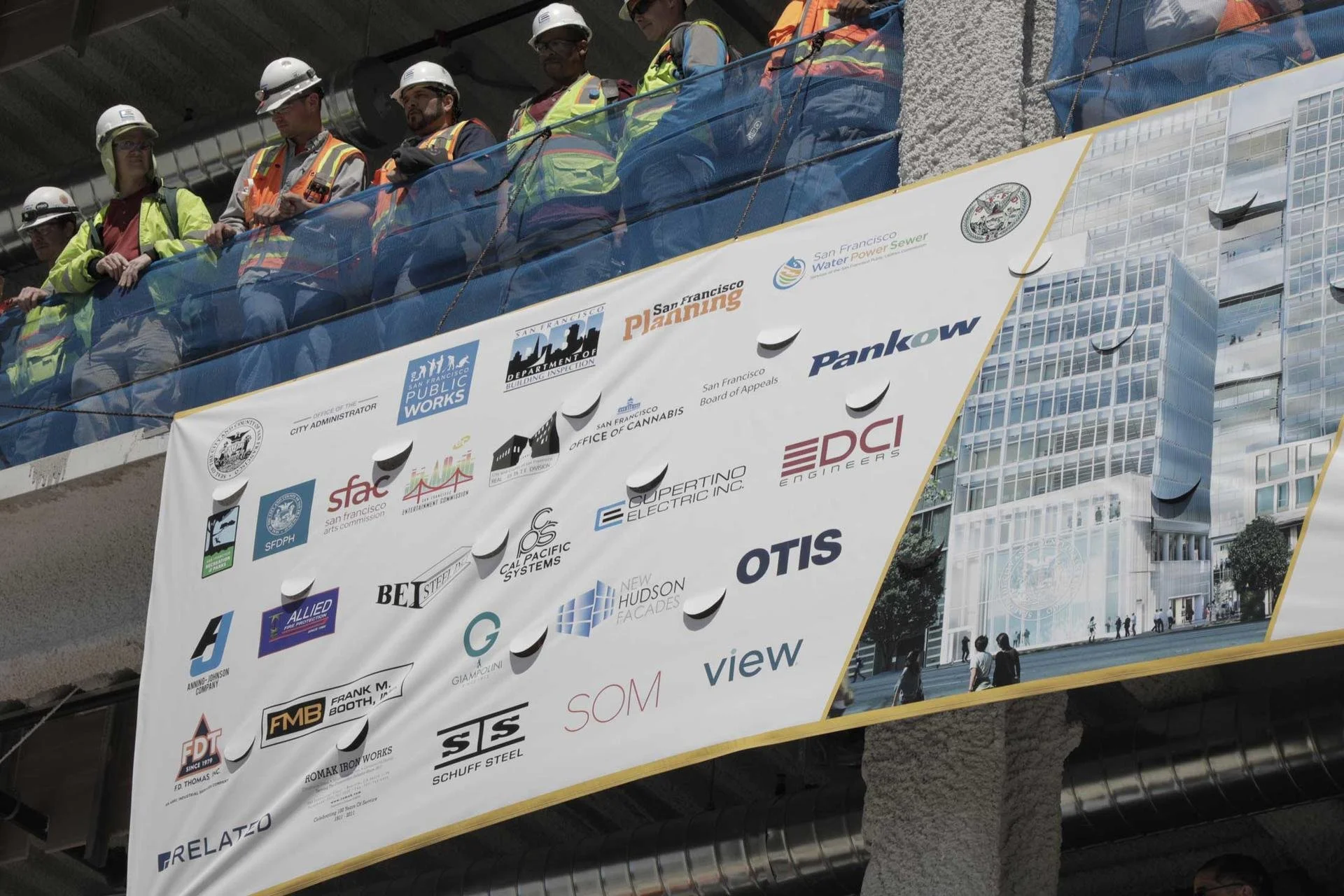
Related, SOM and City of San Francisco Choose View Smart Windows
By Jeanne Meister
Majority of North American workers report inadequate natural light, while nearly half suffer from poor air quality
View, Inc.
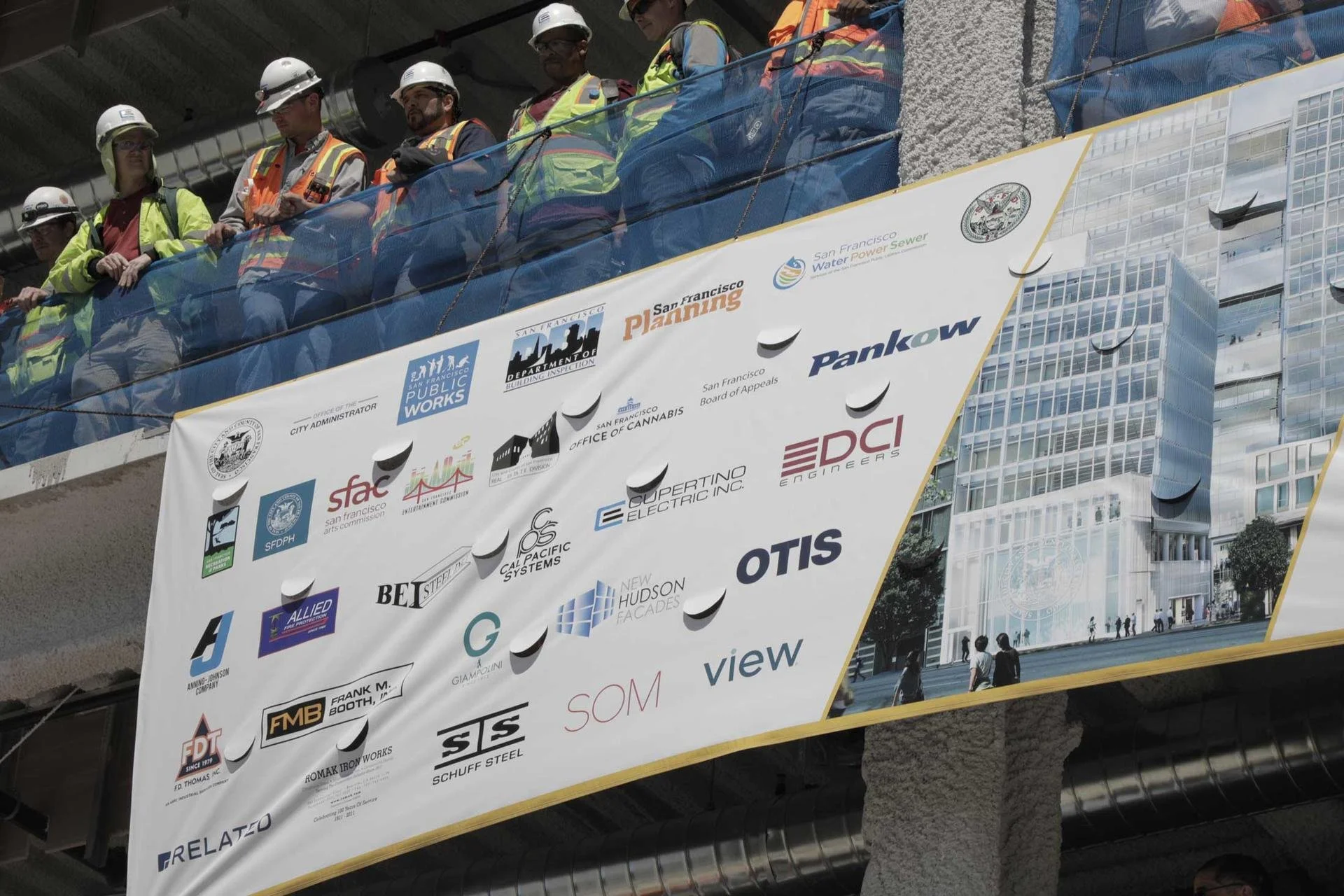
Related, SOM and City of San Francisco Choose View Smart Windows
Majority of North American workers report inadequate natural light, while nearly half suffer from poor air quality
By Jeanne Meister
In a newly released study by Future Workplace entitled, “The Workplace Wellness Study,” over 67% of the 1,601 North American employees surveyed said they are more productive in workplaces that promote a healthy environment. One-third said they lose at least an hour of productivity each day due to office environments that don’t support their daily health. Download a summary of the study.
Air quality was cited as the most positive influence on wellness, with only one in four reporting that their office air quality was suitable to do their best work. Almost half of all employees (44%) said poor air quality makes them feel sleepy during the workday, and 28% reported that poor air quality creates symptoms such as itchy, watery eyes or throat irritation. 37% of employees said these symptoms improve when they leave the building at the end of the day.
Comfortable lighting was the second most highly-rated wellness factor. Yet 60% of workers reported that their companies don’t provide the adequate level of light required for optimal job performance. In addition, access to natural light and outdoor views all outranked an on-site gym and a pet friendly workplace policy as a preferred amenity in the workplace.
These findings support a larger trend of the growing importance of employee well-being. According to Gallup’s most recent iteration of the State of the American Workplace, more than half of employees report better overall well-being as “very important” to them. In the same survey, work-life balance and overall well-being were determined to be the second most important factor when choosing to work for an organization. When employees are fulfilled in all aspects of their well-being, this leads to increased employee engagement and increases individual performance.
Additional highlights from the report include:
Employees want personal control of their workspace environment. Nearly half of employees (48%) want the ability to personalize their dedicated workplace environment from a phone app. Almost half want to use an app to personalize the temperature of their workspace while more than a third would like to personalize their overhead lighting, desk lighting and levels of natural light with an app. Workers ranked personalization of the workspace environment more highly than unlimited vacation.
Workplace temperature is never good enough. One third of employees said it was continuously too hot or too cold in their offices. Only 1 in 3 respondents (33%) thought that their office temperature was set to do their best work.
Poor office acoustics create distractions. Office privacy is a distraction for almost half (47%) of all office employees. 78% of workers are unhappy with their office acoustics to do their best work.
Attention to employee wellness factors impacts recruiting and the employee experience. More than two-thirds of employees said a work environment that supports and enhances their health and well-being would encourage them to accept a job offer or to stay at their current job.
The research shows that employer health and wellness efforts fall short despite company investments in on-site gyms, ergonomics and healthy food choices. It’s the invisible factors such as air quality and access to natural light that are often overlooked yet provide a significant influence on workplace wellness, employee productivity and the overall quality of the employee experience.
The notion that the creation of the workplace environment is solely a real estate concern is an outdated concept. Today, employers recognize that the workplace environment is now part of the overall employee experience equation and a key lever to attract, engage, and retain top talent.
5 guidelines to take action on workplace wellness
1. Adapt an employee-centric view of workplace wellness. Survey your workforce to understand the factors most important to them when it comes to workplace wellness.
2. Build a holistic workplace wellness plan. Real Estate and HR need to work together to create a shared vision and strategy for workplace wellness.
3. Re-examine your workplace wellness investments. Focus less on opt-in perks like an on-site-gyms and more on areas that affect every employee, like the workstation.
4. Build personalization into your workplace wellness strategy. Employees expect the ability to personalize their workplace environment to best suit their physical and emotional needs at work.
5. Monitor the connection between workplace wellness and employee satisfaction. Adapt a continuous improvement mindset as it relates to creating a workplace environment that mirrors an employee’s best consumer experience.

About Jeanne Meister
Jeanne Meister is Founding Partner of Future Workplace, an HR Executive Network and Research firm. She is the best-selling author of four books, two books on Corporate Universities and two books on the future of work. Her most recent book is, The Future Workplace: 10 Rules For Mastering Disruption in Recruiting and Engaging Employees. This book was awarded the Silver Axiom Best Business Book Award for Human Resources professionals in 2017 and most recently the receipt of the Bellwether award, by the Community College Futures Assembly.
Independent Financial Celebrates New HQ
Independent Financial has “raised the bar” for the city of McKinney, and the broader Dallas metroplex. […]
View, Inc.
Independent Financial Celebrates New HQ
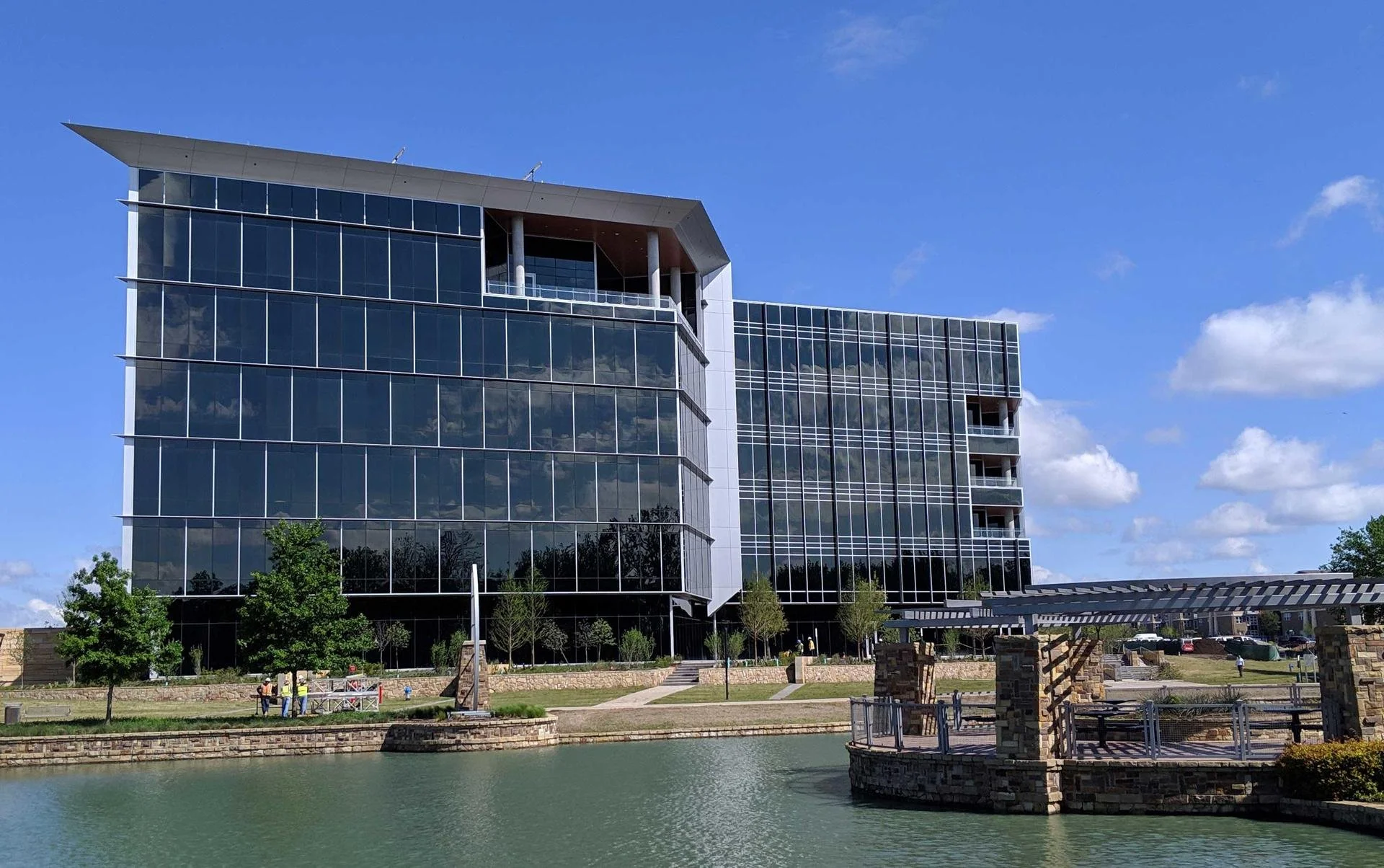
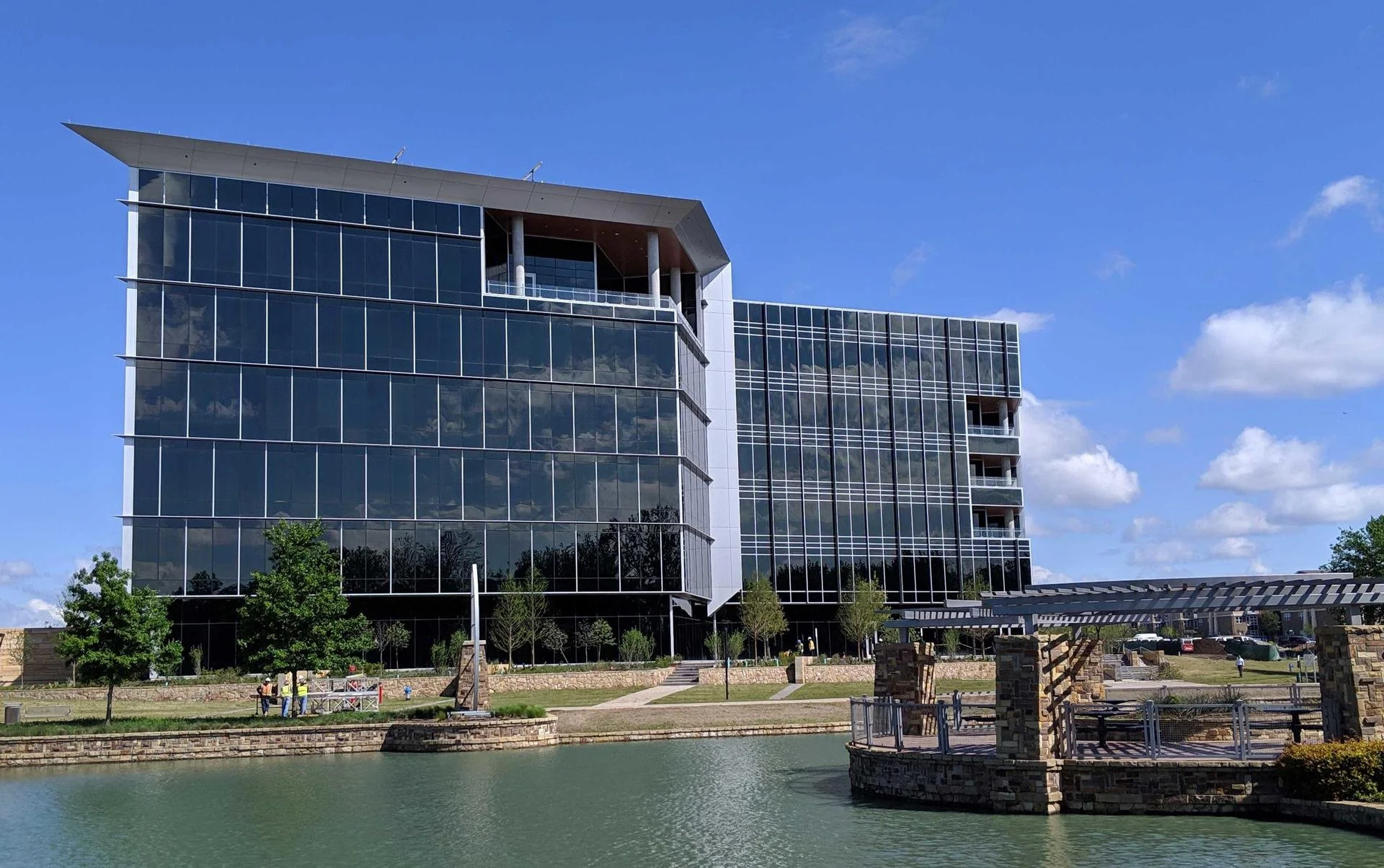
Independent Financial’s new six story building is in the new Craig Ranch development in McKinney, Texas. The CEO David Brooks, shared in his comments during the grand opening, that this new headquarters building embodies his vision to make the best possible work environment for employees – and every decision was influenced by this guiding principle. He stated that the View Dynamic Glass windows have had the biggest impact compared to any other component of the building. View Smart Windows, free from blinds or shades, provide sweeping floor-to-ceiling views for everybody in the building. They also allow an optimal amount of natural light into workspaces, without unwanted heat or glare.

Listening to the crowd touring the office spaces, it was hard not to hear the excitement of the employees and attendees. When asked what they loved most about the building, individuals most often pointed to the smart windows, and the natural light and views. According to the mayor of McKinney, George Fuller, Independent Financial has “raised the bar” for the city of McKinney, and the broader Dallas metroplex. Mr. Brooks shared with the crowd that when an investor saw the building, he remarked that he’d never realized that a building could so vastly energize a team of people.
Awarded in 2014 as one of the Healthiest Employers in both North and Central Texas, Independent Financial is one of the forerunners in understanding how great building environments improve the health, wellbeing, and productivity of the people inside. With approximately 1500 employees and a presence from the Gulf Coast of Texas to the Colorado Front Range, they know they need to compete for talent and feel this new HQ building will assist in that goal.