
Your backstage pass
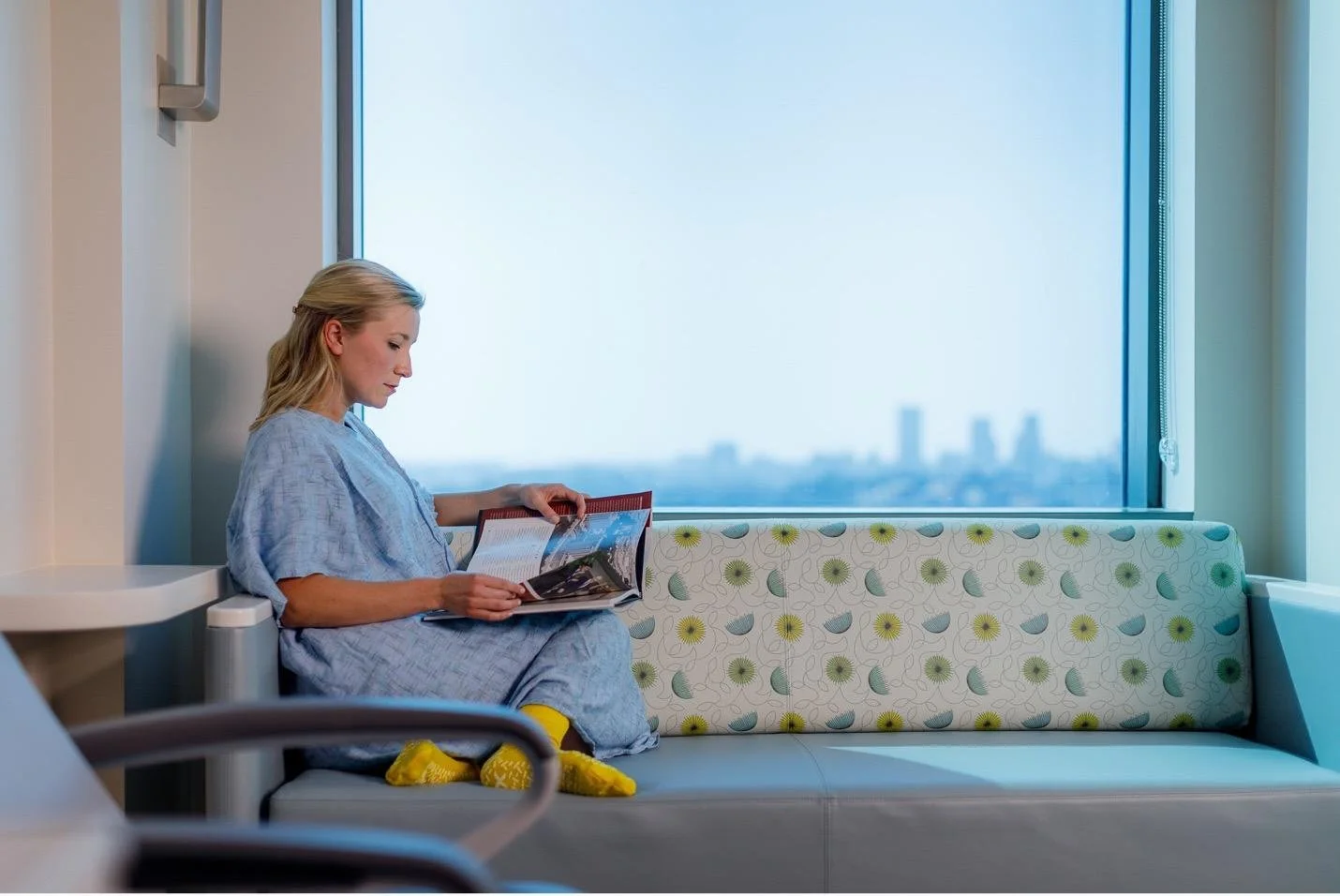
Light It Up: View Smart Windows Transforming Healthcare
Written by Piers MacNaughton
Healthcare has come a long way, from the development of cutting-edge treatments to the design of healthcare facilities. Remember the dark, uninviting buildings of the past? They're quickly becoming a distant memory.
Piers MacNaughton
Light It Up: View Smart Windows Transforming Healthcare
Written by Piers MacNaughton
Healthcare has come a long way, from the development of cutting-edge treatments to the design of healthcare facilities. Remember the dark, uninviting buildings of the past? They're quickly becoming a distant memory. Today's healthcare facilities have morphed into bright, welcoming spaces, intentionally designed with patients and healthcare staff in mind. The key element to this transformation is the focus on the physical environment to improve patient outcomes, elevate patient and staff experience, operate sustainably, and digitize the patient experience. Healthcare providers are increasingly looking to amenities like View Smart Windows to bolster these outcomes and create a differentiated experience for their consumers.
Fewer Infections and Shorter Stays
Creating a healing environment goes beyond the latest medical technology – it’s about getting the fundamentals right – clean surfaces, fresh air, comfortable temperature, and a connection to outside. While much attention has been paid to ventilation rates and air filtration, daylight and views have often been left as an afterthought. However, decades of research have revealed compelling benefits of daylight into patient rooms:
A study by the University of British Columbia showed that daylight passing through View Smart Windows carries antimicrobial properties that eliminate MRSA from surfaces in 24 hours, resulting in an 11-13% reduction in the likelihood of acquiring an infection compared to a room with traditional windows and blinds.1
Research by Ulrich et al. in 1984 found a half day reduction in length of stay for patients with a view outside.2 The effect of daylight and views on length of stay has been repeatedly demonstrated, most recently by Jafarifiroozabadi et al. in a cardiac ICU.3
Value-based care calls for low infection rates and fast recovery times, and the Center for Medicare and Medicaid Services (CMS) even ties reimbursements back to those performances. View Smart Windows give health systems an edge in meeting ever-higher standards for these metrics.
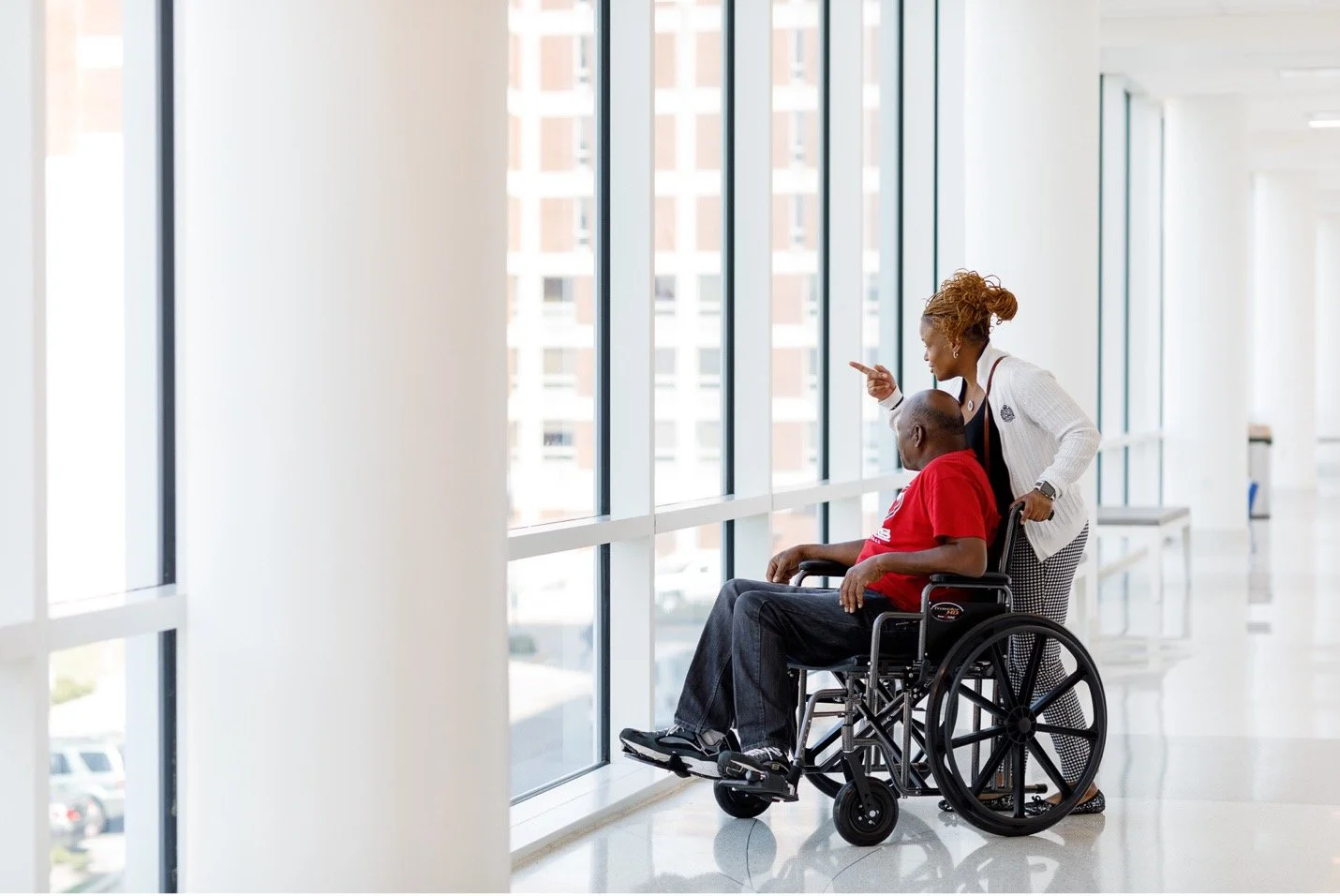
View installation at Methodist University Hospital
Putting the Hospital in Hospitality
Patients are now approaching healthcare with a goal of holistic wellness, not just the treatment of illness. Beyond improving patient health outcomes, View Smart Windows elevate the patient and caregiver experience. A recent study at the University of Vermont Medical Center found that 76% of patients randomly admitted to a room with View Smart Windows gave a 9 or 10 rating on their overall hospital experience HCAHPS rating, compared to 60% of patients assigned to the unit with traditional windows.4 A study by Clemson University showed that patients with access to daylight and views through View Smart Windows gave a 25% higher overall hospital rating when compared to traditional windows with blinds, which was already 75% higher than a room with no window at all.5 Not only do high patient ratings contribute to the hospital brand; they also are factored into reimbursement rates from CMS.
Green Light for Sustainability
While strategies that support better health outcomes and an elevated patient experience are central to the mission of most modern healthcare facilities, sustainability is increasingly factoring into the decision process, with most major health systems committing to lofty carbon reduction targets by 2050 along with facing increasingly strict local codes. View Smart Windows can help contribute to sustainability goals by blocking three times more heat than traditional windows, reducing the cooling load from on HVAC systems in perimeter spaces such as patient and recovery rooms. This energy-smart move translates into reduced operational costs for healthcare facilities and aligns with sustainability efforts—an undeniable win-win.
Digitizing the Envelope
Over the past 30 years healthcare has been transitioning from physical to digital. This has taken the form of digital health records, telemedicine, and web-based/mobile patient portals. Health systems’ physical spaces are the last frontier of digitalization. View transforms the skin of the building into a smart digital interface that tints automatically to control for heat and glare and puts control of the environment at the patient’s bedside. With the rise of smart technology in every aspect of people's lives, patients expect to have a smart, seamless experience during their patient stay.
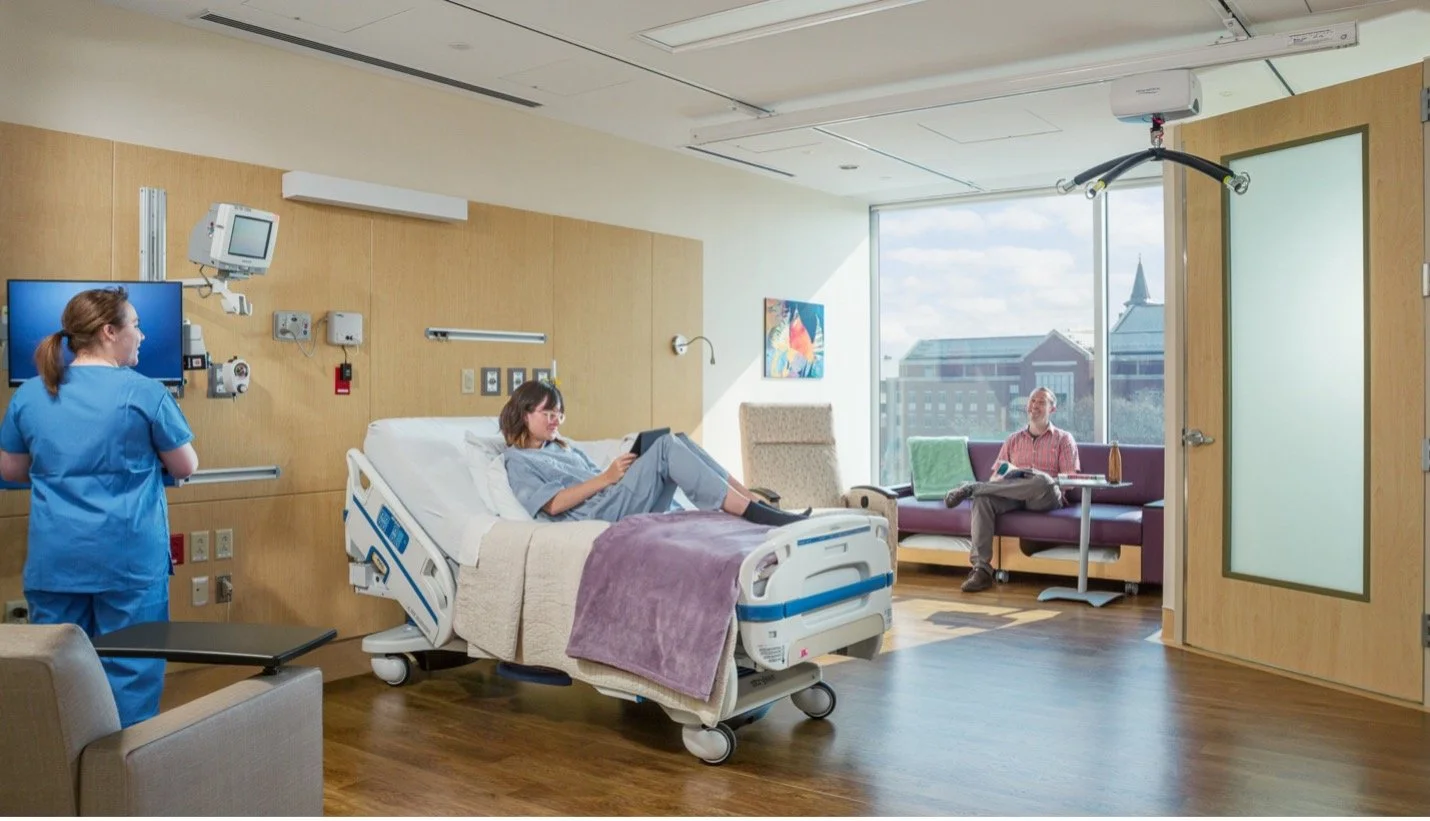
View installation at Memphis Methodist Hospital
Embrace the Light: Smart Window System for No Additional Cost
Enhancing health outcomes, elevating the patient and caregiver experience, improving sustainability, and digitizing physical assets are four mega trends that are underway in healthcare. View Smart Windows check all the boxes without compromise for facility owners and guides us toward a brighter future in healthcare. The federal government has recognized the value of electrochromic glass in healthcare settings – as part of the Inflation Reduction Act passed in 2022, tax-exempt healthcare systems are able to get 40% of the cost of the smart window system reimbursed, bringing the cost of View Smart Windows below traditional windows and blinds.
1. M. I., Vojnits, K., Zhao, M., MacNaughton, P. & Pakpour, S. The effect of indoor daylight spectrum and intensity on viability of indoor pathogens on different surface materials. Indoor Air 32, e13076 (2022).
2. Ulrich, R. S. View through a window may influence recovery from surgery. Science 224, 420–421 (1984).
3. Jafarifiroozabadi, R., Joseph, A., Bridges, W. & Franks, A. The impact of daylight and window views on length of stay among patients with heart disease: A retrospective study in a cardiac intensive care unit. Journal of Intensive Medicine 3, 155–164 (2023).
4. Koundakjian, D. C., Tompkins, B. J. & Repp, A. B. Evaluation of a New Hospital Building’s Impact on Clinical Outcomes and Consumer Experience in Medical Inpatients. Am J Med Qual 38, 122–128 (2023).
5. Mihandoust, S., Joseph, A., Kennedy, S., Macnaughton, P. & Woo, M. Exploring the relationship between window view quantity, quality, and ratings of care in the hospital. Int J Environ Res Public Health 18, (2021).
Wish you got more sleep? Introducing Sleep In Mode from View
Written by Tanya Makker
As an architect and product manager at View, I obsess over designing user experiences that are comfortable, healthy, and fun. Today, I’m excited to introduce a new feature that’s all three.
Wish you got more sleep? Introducing Sleep In Mode from View
Written by Tanya Makker
As an architect and product manager at View, I obsess over designing user experiences that are comfortable, healthy, and fun. Today, I’m excited to introduce a new feature that’s all three. We’re giving residents in our buildings agency over their sleep schedule, independent of the sun’s schedule, so they can get the rest they need.
View Smart Windows are installed in apartments across the country, maximizing access to natural light and providing continuous views. We know that this not only keeps users visually and thermally comfortable but also healthy and energized. Research has shown that residents on average sleep 22 minutes longer, have consistent melatonin onset, and a healthier circadian rhythm. Brighter days make for better nights.
We’re now taking this one step further.
As important as it is to let natural light in throughout the day, it’s just as important to keep light out for a restful night’s sleep. Sleep In Mode gives users the luxury to keep their space cool and dark until they are ready to soak in the sun again.
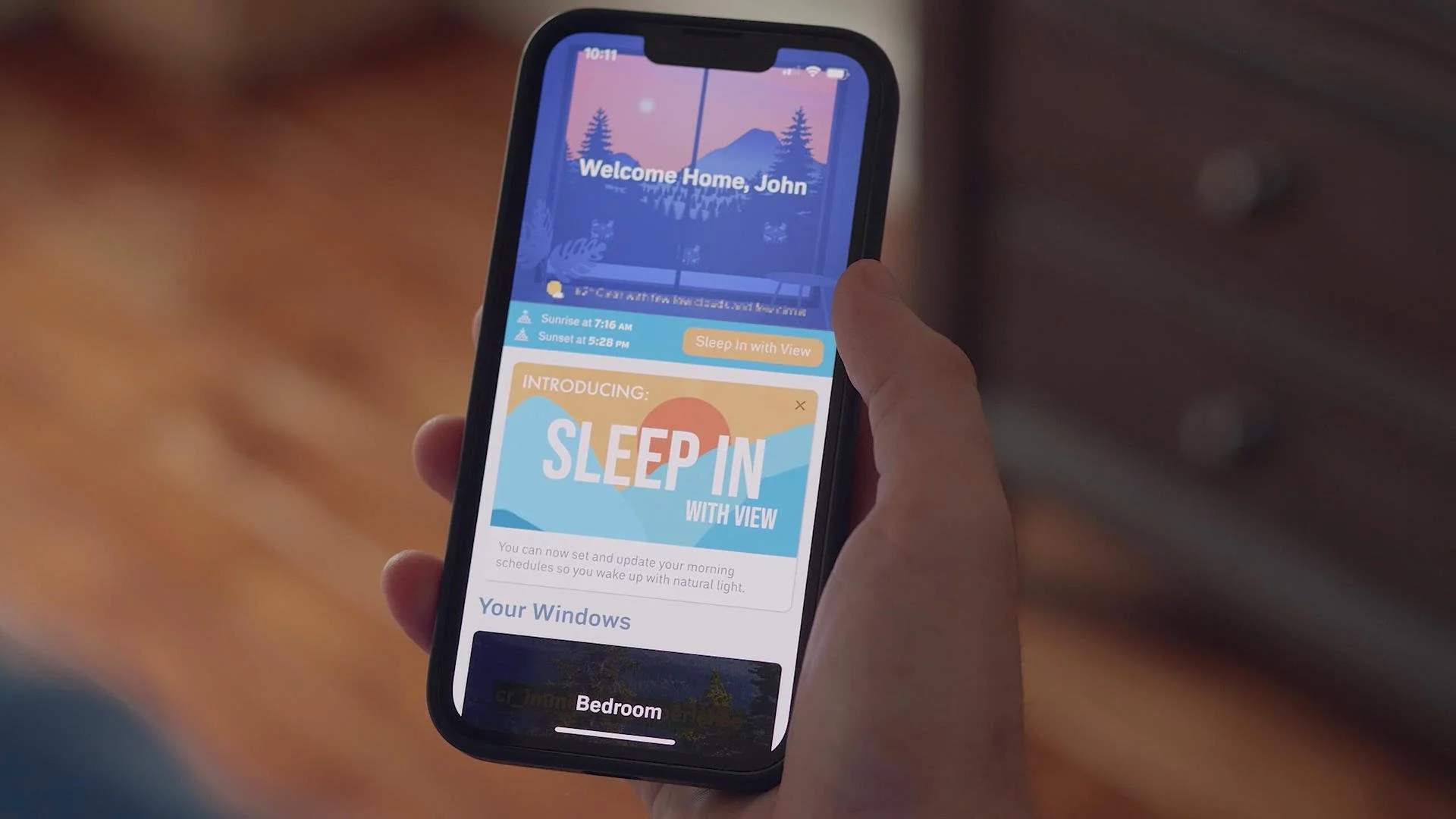
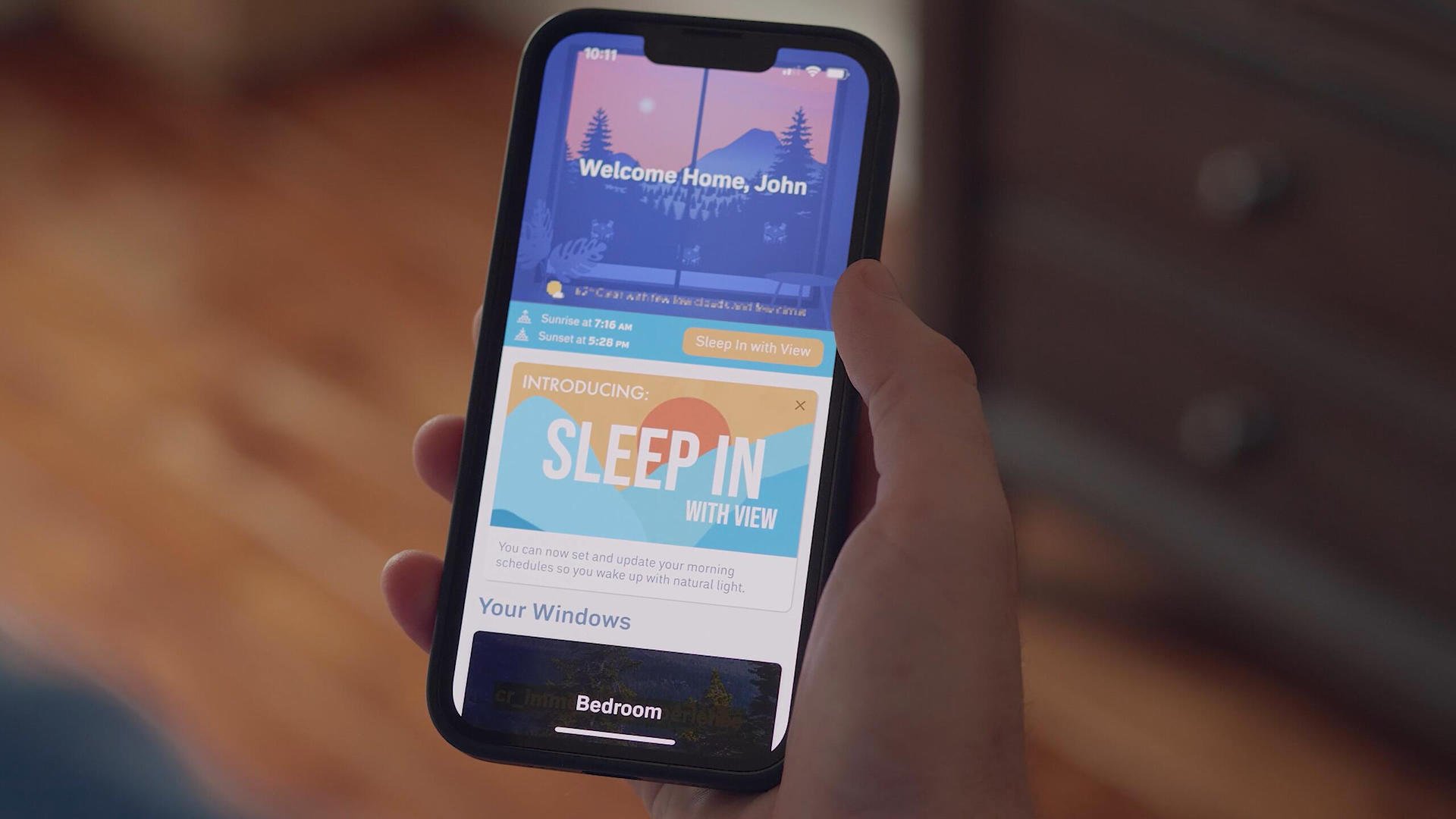
Using the View mobile app, residents can enter their preferred bedtimes and wake up times. For the selected spaces, the windows darken, blocking out city light pollution and the morning sun until the user is ready to wake up. At that time, the windows gradually clear, gently rousing users with natural light. They can set recurring daily schedules or make one off adjustments if their schedule changes. Did you know that a sound sleep strengthens your immune system, helps with information retention, and makes you more creative? Darker nights make for better days!
We at View continue to learn about the human body and how indoor environments affect our health. We apply these learnings to continuously enhance the user experience through regular over-the-air software updates. So even as a physical building ages, the user experience is always evolving.
If you’re an apartment seeker in New York, Boston, DC, Seattle or Toronto, find the View apartment in your region, take control of the sun, and Sleep In with View.
Delivering Asset Value through Sustainability and Health
With the recent COP26 summit at a global scale and the passing of the infrastructure bill at a national level, sustainability has reemerged as a primary consideration in real estate development and operations […]
Written by View, Inc.
Delivering Asset Value through Sustainability and Health
With the recent COP26 summit at a global scale and the passing of the infrastructure bill at a national level, sustainability has reemerged as a primary consideration in real estate development and operations. State and federal policies are incentivizing more sustainable building practices, while buildings preparing for re-occupancy are encountering new questions from tenants about the ability of spaces to promote occupant health following the COVID-19 pandemic.
A recent panel event held in New York City explored how asset value can be delivered through sustainability and health in the wake of the COVID-19 pandemic. The panel was hosted by the Urban Green Council, a nonprofit dedicated to advancing sustainability in New York real estate, and View Inc., a smart building technology company transforming buildings for sustainability and health.
Speakers on the panel included Prof. Christoph Reinhart, director of the Sustainable Design Lab at MIT, and Sean Brennan, head of research at the Urban Green Council. Prof. Reinhart leads a team that built software tools used across the globe to model building performance and recently developed city-scale energy models designed to help policymakers and Community Resource Exchange (CRE) leaders adapt to a changing climate. Sean Brennan leads Urban Green’s research team and is responsible for identifying and executing studies that reveal industry trends and influence building design. He has worked in the energy and utility space for over ten years and has specialized in building science and analysis. Dr. Piers MacNaughton, VP of Health Strategy at View Inc, moderated the panel discussion.
The pandemic has altered building use and occupancy patterns. Brennan shared data from Google that showed an 80% dip in NYC office occupancy during the pandemic and currently shows occupancy rates 40% below baseline levels. High vacancy rates increase pressure to create spaces that will bring occupants and tenants back to the city. Buildings will need to be of higher quality to entice tenants to return to working and living in Manhattan. The panel explored whether this flight to quality can and will be monetized.
The recently passed infrastructure bill and upcoming reconciliation packages include provisions that incentivize sustainable building strategies at a federal level. Despite having such influential incentivization plans in place, the current retrofit rate is 1%, well below what is needed to meet science-based carbon emission targets.
Local ordinances in New York City both reward and penalize buildings for their sustainability performance. For example, Local Law 97, part of the Climate Mobilization Act, and Mayor de Blasio’s larger New York City Green New Deal were passed in April 2019. Under LL97, most buildings that do not limit greenhouse gas emissions and meet specific energy efficiency goals by 2024 will be subject to fines. Conversely, buildings that wish to retrofit their systems can take advantage of Property Assessed Clean Energy (PACE) financing, a program that funds improvements to the energy efficiency and sustainability of commercial property owners’ buildings. Recently, 111 Wall Street became the first building in New York City to utilize C-PACE financing.

What are the options, then, when considering retrofitting? Using energy as the only deciding factor does not always fully justify the cost of retrofitting. However, the return on investment becomes much more compelling when one begins to consider occupant benefits in the calculations. In the modeled renovation of 345 Park Avenue in Manhattan completed by Dr. Reinhart’s team, the addition of electrochromic glass provided a 20% return on investment when accounting for higher rents and the increase in rentable square feet. A similar instance occurred in 730 3rd Avenue, where electrochromic glass allowed owners to fit the same number of people into 30% less space, allowing them to then rent out the extra space to additional tenants.
As part of the movement towards sustainable buildings through LL97, there is pressure to reduce energy consumption but not necessarily to promote occupant health and wellness. For example, heat pumps, building electrification, boiler replacements, and insulation provide substantive energy savings but do not meaningfully impact the end-user. During the retrofit process, developers should consider repositioning the asset to deliver at the same time an enhanced occupant experience. This will ultimately translate into faster lease velocity, higher rents, and potentially greater tenant density.
View Smart Windows, for example, decrease buildings’ HVAC and energy usage through predictively tinting windows along the sun’s path. At the same time, smart windows also eliminate the need for blinds to combat glare while increasing occupants’ thermal and visual comfort and access to views of the outside. Both the creation of high-quality spaces and the need for sustainable buildings can be addressed through the addition of a single amenity, View Smart Windows.
5 scientifically proven ways to improve your sleep
The CDC recommends at least seven hours of sleep a night for an average adult—yet that is a far cry from the actual amount many Americans get […]
Written by Nicole Johnson
5 scientifically proven ways to improve your sleep
The CDC recommends at least seven hours of sleep a night for an average adult—yet that is a far cry from the actual amount many Americans get.
Sleep disorders impact roughly 70 million Americans, according to data from the Cleveland Clinic, and more than 100 million Americans do not get the recommended amount of sleep each night.
While we can all relate to the difficulty of making it through the day after a poor night of sleep, the consequences of sleep impairment are much direr. In the short term, sleep deprivation can lead to irritability, performance problems, and slowed reaction times. In fact, 6% more car accidents occur the day after daylight savings when everyone loses an hour of sleep. Over time, sleep has chronic impacts on the cardiovascular system, metabolism, reproductive health, aging and is even considered a carcinogen.
To further understand sleep and its importance on both physical and mental health, it is vital to have a basic understanding of circadian rhythms, which help carry out the body’s most essential functions. Connected to the body’s internal master clock, located in the brain—more specifically in the suprachiasmatic nucleus (SCN), which is in the hypothalamus—these 24-hour cycles regulate virtually every hormone and neurotransmitter in the body. Daylight sends a signal to the SCN every day to reset the clock and keep it aligned with the local time on earth. A properly aligned circadian rhythm promotes restorative and consistent sleep, while a rhythm that is not aligned by daylight can lead to sleep issues.
There are two types of sleep: NREM, or non-rapid eye movement, and REM, or rapid eye movement. We cycle back and forth between the two sleep cycles, with each being essential for achieving a decent night’s sleep. NREM takes far less energy and helps the brain restore its supply of adenosine triphosphate (ATP) and is divided into sub-stages. REM sleep has many benefits, according to several studies, and can impact learning, mood, and memory, and is tied to mental well-being and overall physical health.
Many factors can cause sleep disorders, including genetics, aging, certain medications, psychiatric disorders, nighttime work shifts, and medical conditions like asthma. Sleep disorder symptoms include memory impairment, irritability, falling asleep during the day, slowed responses, and performance problems at school or work.
Therapy and medical attention can help address underlying causes of poor sleep, but the best solutions are widely believed by medical experts to come from maintaining a healthy, active lifestyle.
Below is a list of five scientifically proven ways people can improve their sleep, citing peer-reviewed studies such as Mount Sinai’s recent REVOLV Study, which was sponsored by View Inc.

bodnar.photo // Shutterstock
Take advantage of daylight
Research has shown that daylight improves the quality of the rest you get while sleeping and improves energy levels during waking hours. Timed exposure to bright daytime light was proven in 1993 to help those struggling with insomnia by reducing the time it took them to fall asleep. Study participants also saw improvements in their quality of sleep and sleep duration.
The REVOLV Study further found that more daylight during the day led to better sleep at night, with study participants who received more daylight exposure during the day enjoyed on average 16 more minutes of sleep each night and higher energy levels during the day.
Taking advantage of daylight is a simple, natural, healthy, and inexpensive solution for those dealing with sleep issues. Sunlight also provides a dose of vitamin D, and for those tricky weather days with rain or snow, artificial bright light is another way to take advantage of light to aid sleep—though bright light should not be used at night.

Jacob Lund // Shutterstock
Develop an exercise routine
Physical activity has been proven time and again to help people fall asleep faster and enjoy an overall improved quality of sleep. One study published in the American Journal of Lifestyle Medicine in 2010 found that exercise—particularly a routine over sporadic bouts of working out—can be used as a nonpharmacological therapy for those struggling with sleep issues or disorders. Another study that same year found older adults who struggled with insomnia experienced improved sleep quality and a reduction in depressive symptoms and daytime sleepiness with four months of exercise training.
While research supports the importance of an exercise routine to combat sleep issues, less research exists on what time of day is best to exercise—though avoiding vigorous exercise close to bedtime is a good idea if you are looking for better sleep.

Stock-Asso // Shutterstock
Go screen-free in bed
Screen time before bed can make getting to sleep challenging. While blue light from the sun during the day is good for sleep, receiving that type of light from electronic devices in the evening can interfere with sleep because it can convince your brain that it is daytime.
Social media use has also had a significant impact on the sleep habits of both young adults and adults. A 2017 study published in Oxford’s academic journal Sleep found that young adults who used social media 30 minutes before bed had an increased rate of sleep disturbance compared to those who rarely checked social media in the 30 minutes leading up to bedtime.
There are many things people can do to avoid blue light before bed, including avoiding screen time (and social media) for two hours before trying to get to sleep. Blue-light-blocking apps and glasses can also reduce the amount of blue light before bed. However, even reducing the amount of blue light won’t alter what’s being consumed on the screen—and the authors of that 2017 study hypothesize that in addition to the light, going on social media before bed could negatively impact sleep because of negative experiences online. Forgoing screens altogether and establishing a relaxing pre-bed routine is the safest bet.
New Africa // Shutterstock
Avoid late-night snacks, caffeine, and alcohol
Even after six hours, half of the caffeine you consumed in a cup of coffee or energy drink remains in your system, according to the Cleveland Clinic, and it can take 10 hours for caffeine to clear your system completely. Caffeine consumed up to six hours before bed had significant disruptive effects on sleep, according to one 2013 study published in the Journal of Clinical Sleep Medicine.
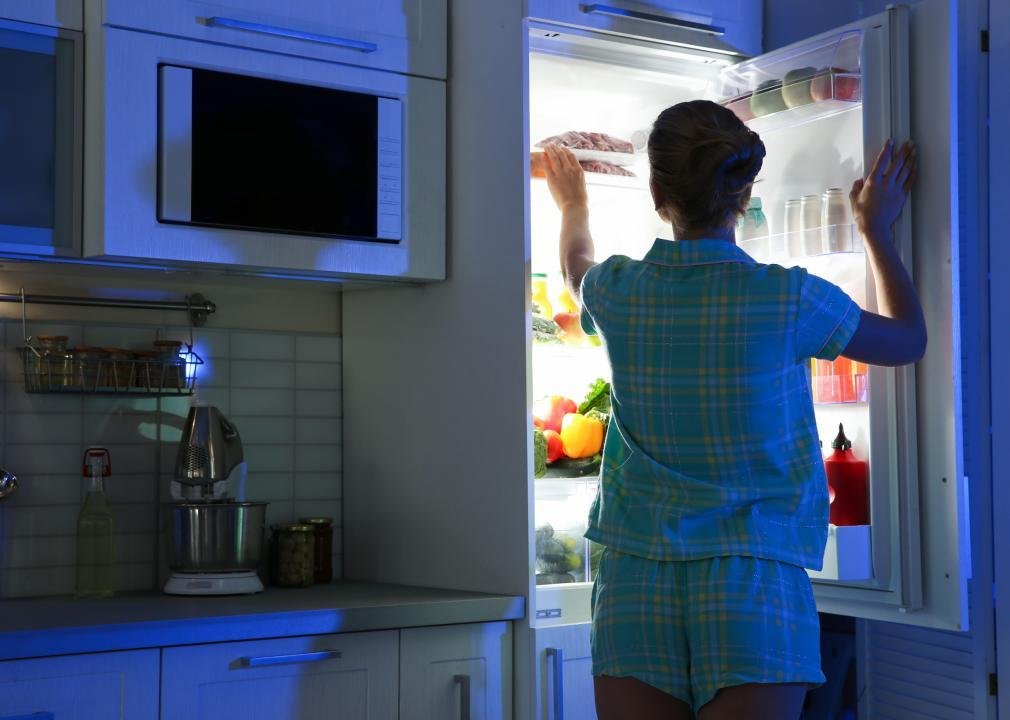
Alcohol’s half-life, or the time it takes for just half of it to leave your bloodstream, is four to five hours. Both alcohol and caffeine act as stimulants and can negatively impact sleep when consumed too late in the afternoon or evening, especially for those with sleep disorders. Late-night snacks can also disrupt sleep; it is easy to confuse the need for sleep with hunger. Having a snack isn’t necessarily a bad thing, but be careful about the snack you choose. Smart snacks for before bedtime should be low in sugar, like cottage cheese and fruit or peanut butter on whole-grain toast.

Olena Yakobchuk // Shutterstock
Set up relaxing bedtime habits
One of the best ways to combat sleep difficulties is to get into habits that promote sleep. Setting an alarm 15 minutes before bedtime as a reminder can help people maintain good “sleep hygiene” and have a consistent bedtime. Taking a hot shower or bath or drinking a warm cup of milk or decaffeinated tea can help calm the body and mind down and allow sleep-producing hormones to kick in. Poor pre-bedtime habits can actually contribute to insomnia and other sleep disturbances. Establishing a consistent nighttime pre-bed routine is best. A 2015 study in Sleep found that a consistent bedtime routine improves sleep in young children. The study also supports instituting the routine with consistency and at a young age.

Natural light makes us better workers. Here's how
Natural light plays a big role in people’s lives, both psychologically and physiologically. A growing body of research underscores how natural lighting—or lack thereof—affects our health, cognition, and happiness […]

Written by S. Smithee
Natural light makes us better workers. Here's how
Natural light plays a big role in people’s lives, both psychologically and physiologically. A growing body of research underscores how natural lighting—or lack thereof—affects our health, cognition, and happiness.
For most of human history, sunlight, moonlight, and the glow of fire were the only sources of light available. With the advent of electricity in the 19th century and the rise of screens in recent decades, our relationship to natural light has changed drastically. Our bodies and brains have evolved to respond to sunlight in a variety of ways, many of which are disrupted by electric lighting driving away nighttime darkness and the omnipresent glare of screens replacing time under the sun.
Sunlight plays a role in our metabolism and affects our endocrine system. It sets the rhythms of our internal clocks, which influences metabolism and almost all other cellular processes. It alters our alertness and ability to fall asleep and stay asleep. Many workers are familiar with the sensation of missing the sun, especially if they work in buildings with no windows, poor natural lighting, or blinds or curtains that diminish the sun’s rays. Missing out on natural light impacts us in many ways, including our ability to work. What’s more, there’s no replacing real natural light: The qualities of sunlight cannot be substituted with synthetic lighting.
Here is a list of five key ways natural light makes us better workers based on scholarly articles and peer-reviewed research—such as the EVOLV Study. Read on to discover the hugely important role natural light plays, from our ability to make good decisions to getting a good night’s sleep, and learn about the steps you can take to increase the amount of natural light you receive each day to up your productivity.

Less natural light and more light emitted from screens results in eyestrain and other negative effects
Exposure to sunlight not only improves mood and sleep, it also reduces eyestrain. In today’s modern world, we are exposed to short wavelength blue light from computers and phones at all hours of the day, including in the evening when this light disrupts our internal clock and makes it harder to sleep. The unsurprising results of one study demonstrates decreased sleepiness when exposed to the blue light from screens during the body’s “biological night,” the time our bodies anticipate and are prepared for sleep.
Sitting near a window helps in two ways: 1) daylight exposes us to blue light when our body needs it for alertness during the day, and 2) views—especially long distance ones—reduce eyestrain by letting the muscles in the eye relax on a long-distance focal point. That’s why the American Optometric Association recommends the 20-20-20 rule: Every 20 minutes look in excess of 20 feet for at least 20 seconds. Yet some workers are likely familiar with the disadvantage of a window seat when the sun is directly in their eyes or the heat is uncomfortable. A study found that electrochromic glass from View Inc. allows workers to get both the benefit of natural light and views while reducing glare and heat.

A window to the outdoors improves mood and connects us to the world outside our offices
There’s a reason corner offices are status markers and seats near windows are preferred among office workers. Looking through windows is psychologically beneficial, bringing us into contact with the outside world as well as getting the natural lighting of sunshine in our eyes. Architecture studies of office and school buildings highlight the importance of allowing daylight in, which not only provides a lighting source but improves the mood of people in the building.
With the rise of working from home, workers should be mindful of the need to sit near windows, in addition to getting sun in the morning and afternoon. Taking walks, eating lunch outside, and taking work phone calls under the sun can result in a wide range of beneficial effects on our bodies and minds.

Vitamin D absorption is important for health—and most of us don’t get enough of it
Numerous studies over decades have demonstrated the importance of Vitamin D. It is present in very few foods (cod liver oil, fortified milk and cereal, uncooked white mushrooms grown in sunlight, and some fatty fish), making sunlight the most important source for Vitamin D production—by one study, it accounts for more than 90% for most people. Despite its importance, vitamin D deficiency is “an ignored epidemic.” One study found more than 1 billion people worldwide are vitamin D deficient or insufficient. Deficiency causes a range of issues, most notably poor calcium absorption, as the body can only take in calcium when there is vitamin D. Without enough calcium, bones become brittle and soft. Vitamin D also regulates some cellular functions and supports muscle function and immune health. More recently, a large multi-decade investigation of over 90,000 women found Vitamin D deficiency to be associated with colorectal cancer.
Vitamin D is one of the attributes that makes the light spectrum in sunlight different from electric lighting. Vitamin D can only be generated through our skin via sunlight—no artificial lighting does the same. That means exposure to natural light is critical. Going outside to get direct sunlight is the best way to boost Vitamin D. The author of the aforementioned study recommends spending 15 to 20 minutes every day in the sunshine, with 40% of the body exposed.
And sunscreen? Some have voiced concern that everyday application of sunscreen can hinder Vitamin D absorption through the skin. However, a meta-analysis found there is “little evidence that sunscreen decreases [vitamin D] concentration when used in real-life settings, suggesting that concerns about vitamin D should not negate skin cancer prevention advice.” The authors did acknowledge that further study is needed on high SPF sunscreen and its effect on Vitamin D.

Metabolism and the endocrine system are affected by natural light
In addition to vitamin D, natural light also affects our bodies through our vision system. Our eyes relay not just visual content to the brain, but also the color of light that it is perceiving. The brain then regulates the release of hormones associated with our circadian system. Sunlight—and when we get it—is key in synchronizing circadian rhythms, which in turn helps set blood circulation, metabolism, and hormone levels. This is why experts recommend getting sunlight in the morning: It sends the right signals to the brain, calibrating that internal clock and resulting in a better night’s sleep, among other benefits like lower levels of depression and stress—all factors that contribute to our ability to be productive during the day.
It’s also something that can’t be replicated with artificial lighting. Our brains are too sensitive to the differences. Our bodies can tell the difference between morning sunlight (which has a short wavelength spectrum) and afternoon sunlight (which has a longer wavelength), and the timing, color and intensity of light influence people’s bodies differently. Dr. Mariana Figueiro, who studied this phenomenon, says even sunlight through windows can help: “Brighter days make for better nights. Look out a window, seek light during the day, especially during the morning, go out during lunch time.”