
Your backstage pass
A Sense of Purpose
Over the past week, as the impact of the coronavirus took hold over our lives, after the initial actions to ensure the health and safety of our employees, I spent much of my time in video conferences […]
Rao Mulpuri, CEO at View
A Sense of Purpose
Over the past week, as the impact of the coronavirus took hold over our lives, after the initial actions to ensure the health and safety of our employees, I spent much of my time in video conferences. I talked to our customers—more in one week than the entire previous month. I spoke with our account teams, who are working tirelessly to assure our customers that we are there for them. And I listened to working parents, as they juggled to provide the nurturing for their kids, while doing the best they can to meet their professional obligations. In these calls, I felt a great deal of fear and anxiety. It feels like we entered a dark tunnel, and we don’t know quite how long it is.
It’s only human for us to feel these things—our very lives have been turned upside down. News headlines have left us discombobulated. We feel a sense of loss for a tumbling economy and for our careers and lives, which we’ve been forced to reimagine. For many of us, the outside world has been shut out.
As the CEO of a technology company that strives to inspire change, I am an eternal optimist. I believe in a few weeks, once we’ve learned to move to the rhythms of this new world, we will adjust. We always do. It’s what we choose to do during this time that will truly matter. My hope for us is that we’ll use it to look forward and stay positive.
Beyond survival, perhaps the most important thing for a human being is a sense of purpose. If you’re an emergency room doctor, a nurse, a firefighter, or a paramedic, you’re feeling an extreme sense of purpose right now—lives are literally in your hands.
Each of us already had a sense of purpose before we got into this. Your sense of purpose could be to support your customers. You might ask, “How can I pay attention to their pain, so I can be most supportive as they live through this time—and be helpful when they come out of it?” If you are in charge of a production line that is still running, you can ask yourself, “How do I safely continue to produce and keep the economic engine running so it can spin back up to normal when this is all over?” If you’re a leader of a company, perhaps your sense of purpose can be in communicating often and with honesty as you navigate this uncertain period.
Beyond work, do the things you always wanted to do in life that you couldn’t (minus the things that involve travel of course). Get back in shape. Spend time outdoors. Keep your mind healthy by reading. Spend time with your family. Catching up on sleep is also good.
This crisis has the potential to bring out the best or worst in us. It’s our choice. It is heartening to see the best of humanity and the generosity of so many people around the world. Some of the greatest innovations were also born during times of great uncertainty. Sure, the conventional world has been turned upside down, but I work with some of the most ambitious, innovative, caring, committed, resilient bunch of people that inspire me to be positive and believe in a brighter future every day.
I don’t know when this crisis will come to an end, but I can assure you: It will. There will be another side to this. We will come out of the tunnel. Let’s take this time to decide what kind of world we want to see when we do.
Tenants Willing to Pay 6.1% More for Offices with Abundant Natural Light
A recent study by researchers at the MIT Center for Real Estate and Sustainable Design found that corporate tenants are willing to pay 6.1% more in rent for offices with abundant access to natural light […]
View, Inc.
Tenants Willing to Pay 6.1% More for Offices with Abundant Natural Light
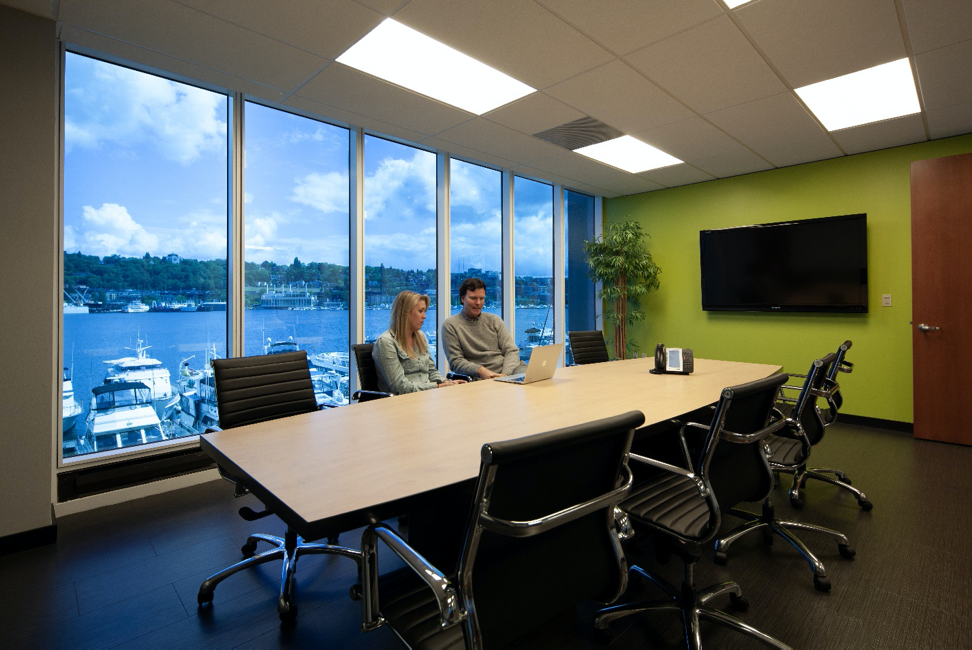
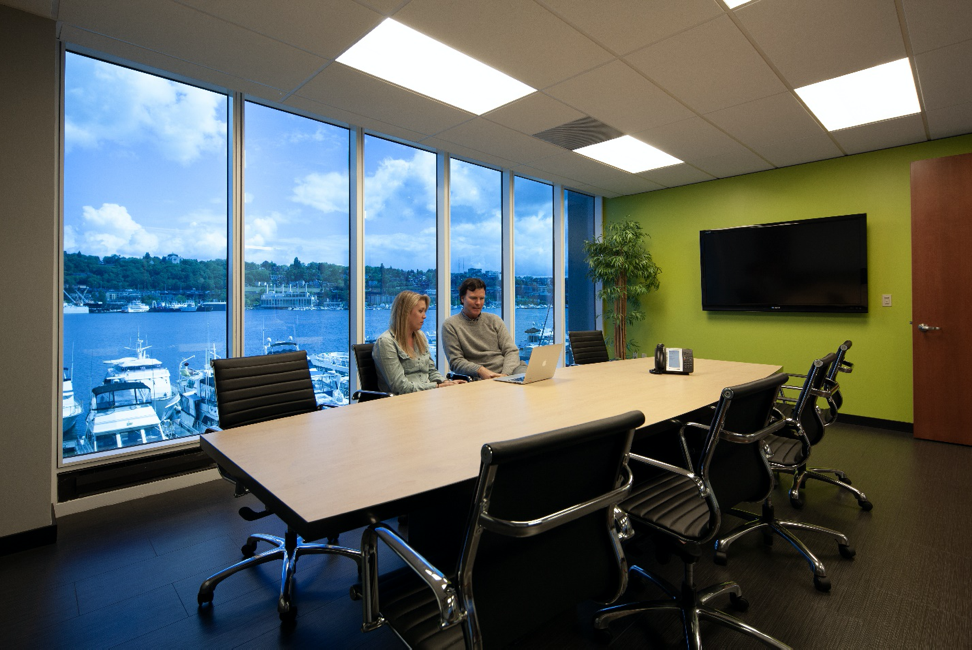
From the upper floors of the Lake Union Building in downtown Seattle, residents can look out their windows and watch the yachts and sailboats on Elliott Bay. At least, they can now.
The office space was built in the 1970s and for almost 50 years, its tenants suffered the consequences of its traditional glass windows. As soon as the sun came out, they turned the blinds down, blocking the picturesque view of the Seattle Waterfront. They waged an endless battle with the thermostat.
In 2015, Henbart LLC, which owns the Lake Union Building, wanted to upgrade and modernize it, so they could compete with the booming tech sector that dominates the area. And so, in 2015, it decided to replace its traditional glass windows with smart windows from View.
“Choosing a window that spoke to innovation, to creativity, to technology, and also allowed a connection to the outdoor natural environment and to the lake was hugely important in that decision making,” said Brett Phillips, the director of sustainability for UNICO Properties, which helped renovate the Lake Union Buildings. “This glass is transformative. It’s the future.”
Apart from achieving significant energy savings (not to mention ending the thermostat wars), Henbert LLC saw an unexpected benefit to replacing the windows with View Smart Windows: it increased its asking rent for the Lake Union building by 16% and generated an extra $450,000 a year in income.
For so long, landlords paid little attention to a building’s wellness amenities. Location was more important they argued. And given the current crunch for real estate, why should they worry about vacancy? A growing body of research suggests installing windows that bring in more natural light can provide a significant financial boost. In buildings that feature smart windows, tenants sign on sooner, stay on longer, and are willing to pay more in rent.
A recent study by researchers at the MIT Center for Real Estate and Sustainable Design found that corporate tenants are willing to pay 6.1% more in rent for offices with abundant access to natural light. The researchers, who surveyed more than 5,000 office spaces in over 900 buildings in Manhattan, said that the presence of natural light in the workplace environment improves human health, wellbeing, and productivity.
Traditional windows amplify the sun’s energy like a greenhouse. Building occupants can only spend so much time near them before they start to feel uncomfortable. In 2013, the Urban Green Council released a report showing that 59% of the windows in New York City are permanently covered with blinds. “Architects, engineers, and developers should work together to discover ways to resolve energy and comfort issues while maintaining great views,” the authors of the study concluded.
Thankfully for architects and building designers today, traditional windows are no longer the only option. View has developed smart windows with built-in intelligence, allowing them to predictably change their tint based on cloud cover and the angle of the sun. This high-performance technology—a combination of durable nano coatings, intelligent controls, and machine learning software—blocks out heat and glare, optimizing comfort levels for occupants while giving them access to natural light and views of the outdoors.
Scientists have known for a long time that these things are important for our health and wellbeing. In the spring of 2018, employees for the Canada Lands Company in Toronto, Ontario moved from their old corporate offices, where the windows were outfitted with traditional manual blinds, to offices in the same building where the windows had been renovated with smart window technology. The move offered the chance for a natural experiment. View partnered with three major research institutions to complete a before-and-after survey of the employees’ health and wellbeing.
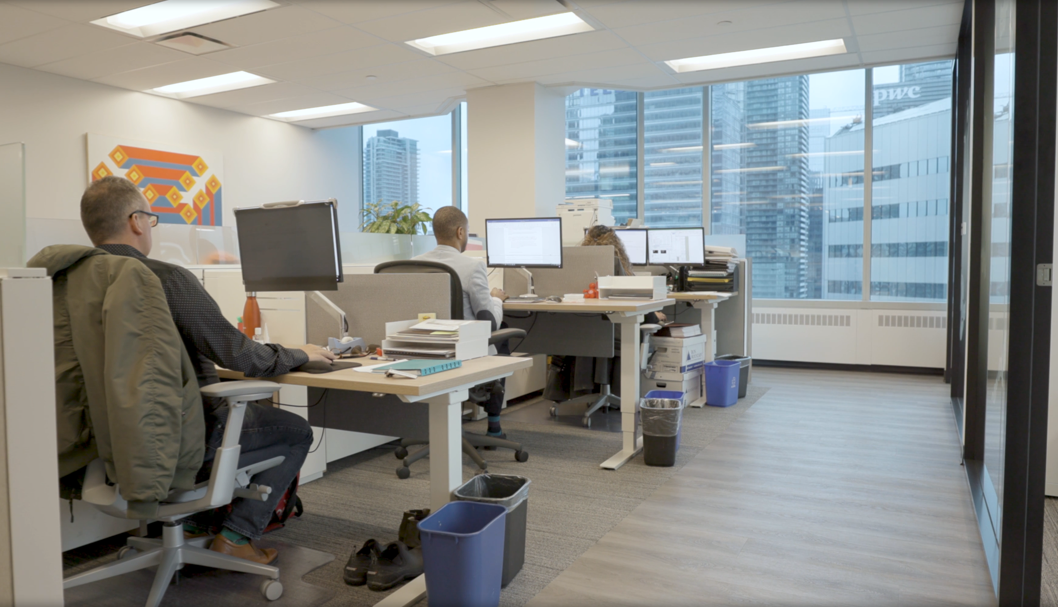
After moving into their new offices, Canada Lands employees reported significant reductions in eyestrain, headaches and drowsiness—findings consistent with a previous study on access to natural light. They also were 5 times more likely to rate their workplace as healthy, had 5 times more pride in their company, and were 3 times more excited to go to work than they were prior to the move.
“You can see the results,” said Matthew Tapscott, vice president of finance for the Canada Lands Company. “People have pride in the office. They are happy to come to work. You can feel that they’re more connected, they’re more motivated, and they’re healthier.”
As the fierce competition to attract and keep talent rages on, companies are realizing their offices are an untapped recruiting tool. Driven by their experiences outside of work, employees expect companies to design a workplace environment that supports their health and wellbeing. The built environment is now central to a company’s ability to retain employees. More than any other design element in the building envelope, smart window technology has been proven to increase employee satisfaction.
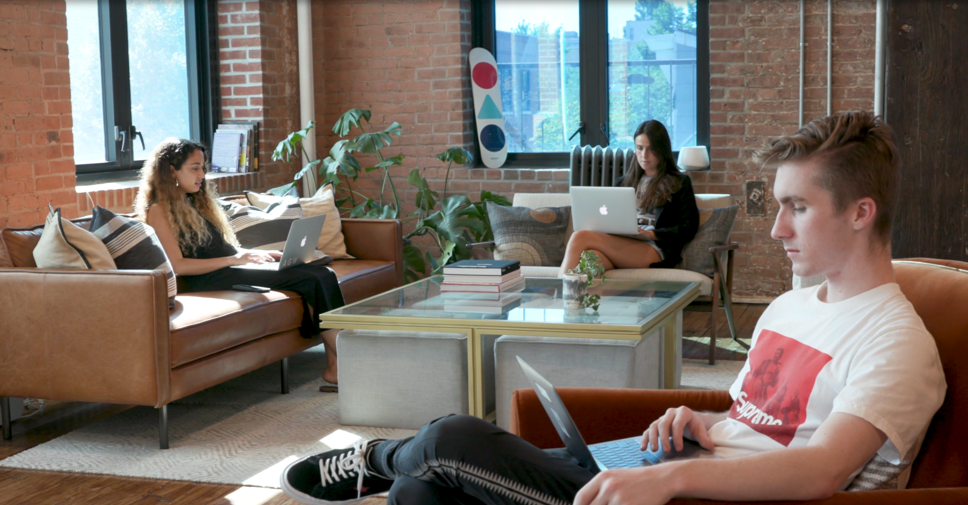
And that satisfaction translates into increased rents. After GFP Real Estate decided to transform an early 20th century warehouse in Brooklyn into an office building, the first thing its designers did was look out the warehouse’s windows. They saw a skyline of similar buildings, each with stunning views. But every time the sun was out, the shades in those buildings were down. “You have this great opportunity to look at something beautiful and dynamic,” said Eric Gural, the co-CEO of GFP. “Yet, you lose it on sunny days. And there are a lot of sunny days.”
Seeking to provide an “exclusive amenity” for its would-be renters, GFP Real Estate chose to install View Smart Windows in the building, now the N6 Lofts. Because of this choice, GFP has been able to charge rents 25% higher than the building’s neighbors—on par with prices in downtown Manhattan.
The N6 Lofts aren’t alone. Bolstered by this success, developers and architects throughout the country are designing buildings to include smart window technology—and reaping their rewards. By installing View in its Civica Cherry Creek Property, Schnitzer West achieved the highest weighted average rents in the Denver Market, 12% higher than comparable buildings. Churchill Hall, an office building in Durham, North Carolina, is charging rents 5% higher than the average Class A building in North Carolina’s Research Triangle.
“I think it would be a big mistake to build a building right now without this technology,” said Matt Winters, a vice president at Tri Properties, which owns Churchill Hall.
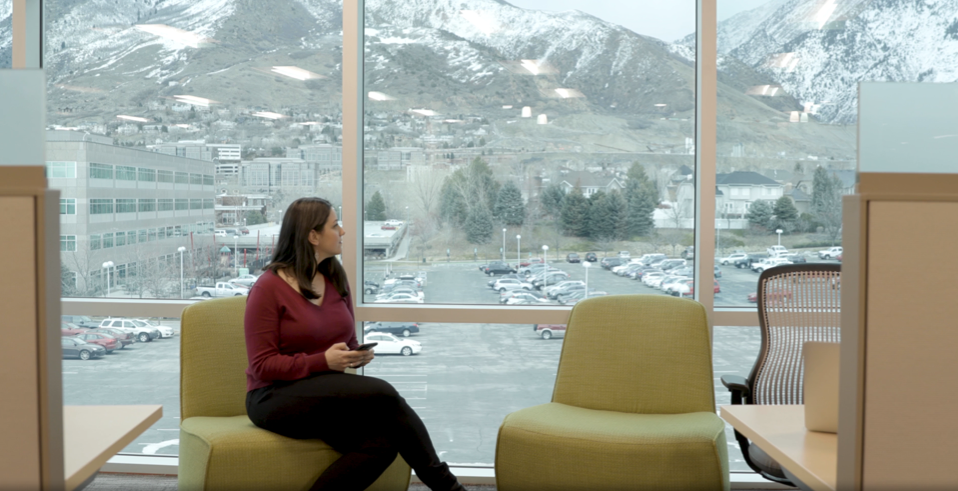
When it decided to embark on a second construction project next to its wildly successful office building in Cottonwood Heights, Utah, Cottonwood Partners chose an almost identical design. The new building, however, included just one change: instead of traditional glass, Cottonwood Partners installed View Smart Windows, which eliminated the need for shades and preserved the breathtaking views of the snow-capped Wasatch Mountains outside.
The results provide a poignant case study for developers unsure of whether or not they should choose View. The building, called Cornerstone II, leased up six months faster than Cornerstone I, and despite the fact that it was a 20-minute drive from Salt Lake City, Cottonwood Partners were able to charge rates similar to buildings downtown.
“We got the building leased very quickly, mostly before it was even complete,” said Jeff Gochnour, president of development at Cottonwood Partners. “We’d like to attribute that to View glass, in part. People love the design of these buildings.”
Atlanta’s The Interlock Featuring View Smart Windows Wins Prestigious Commercial Construction Award
The Interlock is set to delight future residents, employees and visitors with ample natural light and access to views through View Smart Windows […]
View, Inc.
Atlanta’s The Interlock Featuring View Smart Windows Wins Prestigious Commercial Construction Award
The Interlock is set to delight future residents, employees and visitors with ample natural light and access to views through View Smart Windows.
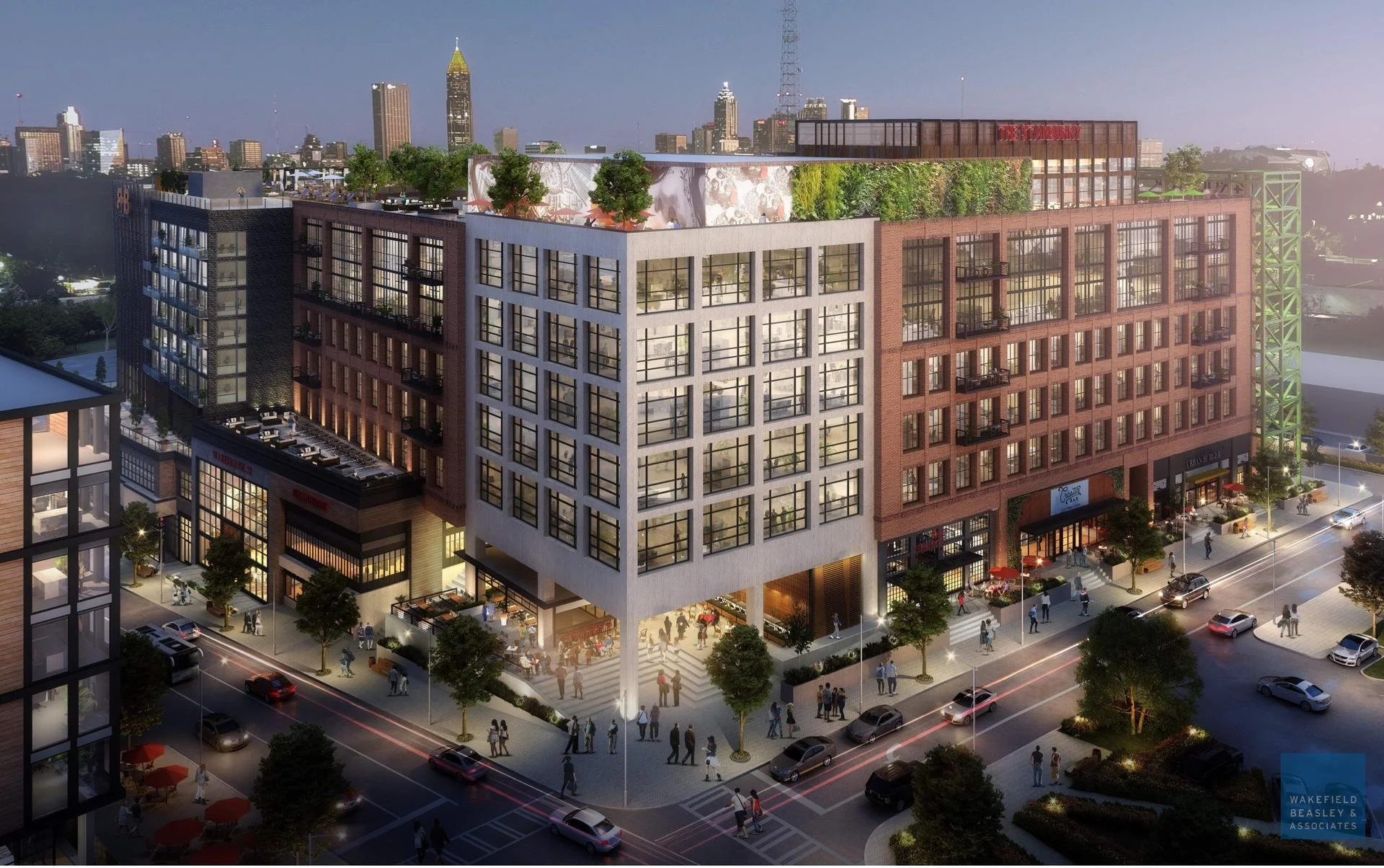
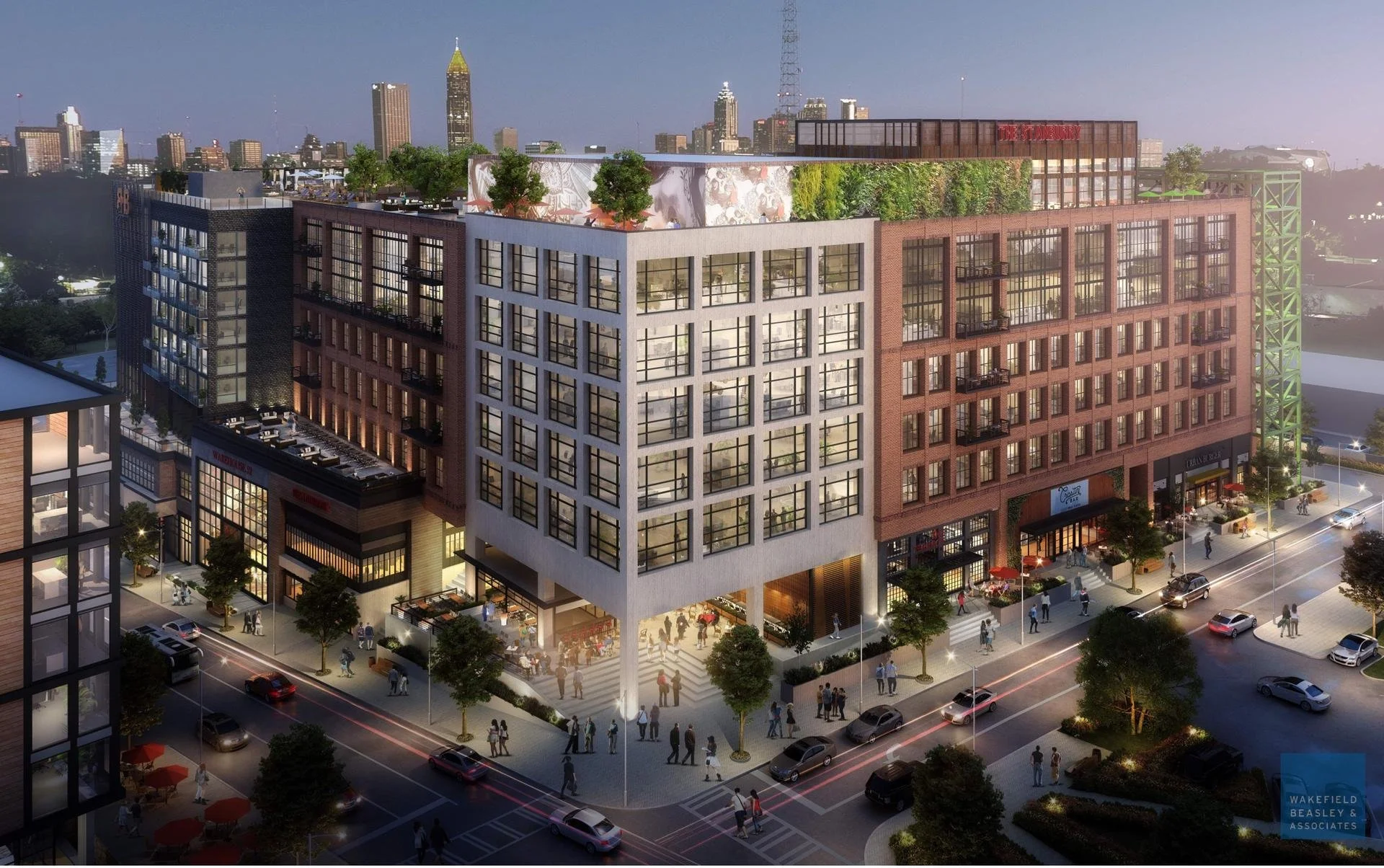
The corner of Howell Mill Road and 14th Street in Atlanta will soon look smarter than ever as developer S.J. Collins Enterprises builds out the new $450 million mixed-use development The Interlock featuring View Smart Windows. The Interlock was recently recognized by Commercial Property Executive (CPE) with a silver award in the Unbuilt category for its exceptional mixed-use site plan design and commitment to sustainability, earning S.J. Collins Enterprises a prestigious 2019 Distinguished Achievement Award. CPE’s Distinguished Achievement Awards recognize commercial real estate industry’s most noteworthy properties and transactions.
Scientific research has proven View’s smart windows enhance mental and physical wellbeing by significantly reducing headaches, eyestrain and drowsiness and studies show significant gains in productivity as a result. In addition, they control heat and glare, which improves the energy efficiency of buildings by up to 20 percent.
“Choosing View Smart Windows allows us to create a new type of office environment that will dramatically improve productivity with big open spaces that feature the floor-to-ceiling windows,” said Jeff Garrison, partner at S.J. Collins Enterprises. “In a tight market, it’s amenities like this that allow us to be successful and attract high-profile clients who are looking to take their office environment to the next level.”
The Interlock is slated to open in Fall 2020 and will offer a versatile mix with 200,000 square feet of creative office space, 100,000 square feet for retail and restaurant space, 350 apartment units, 70 single-family homes and a boutique hotel. It’s easy to imagine future employees, residents and visitors enjoying the vibrant streetscape of Atlanta’s West Midtown neighborhood through the beautiful, smart and healthy views that View Smart Windows create.
Future Workplace Study: Natural Light and Air Quality Have the Biggest Impact on Workplace Wellness
Majority of North American Workers report inadequate natural light, while nearly half suffer from poor air quality […]
View, Inc.
Future Workplace Study: Natural Light and Air Quality Have the Biggest Impact on Workplace Wellness
Majority of North American workers report inadequate natural light, while nearly half suffer from poor air quality
By Jeanne Meister
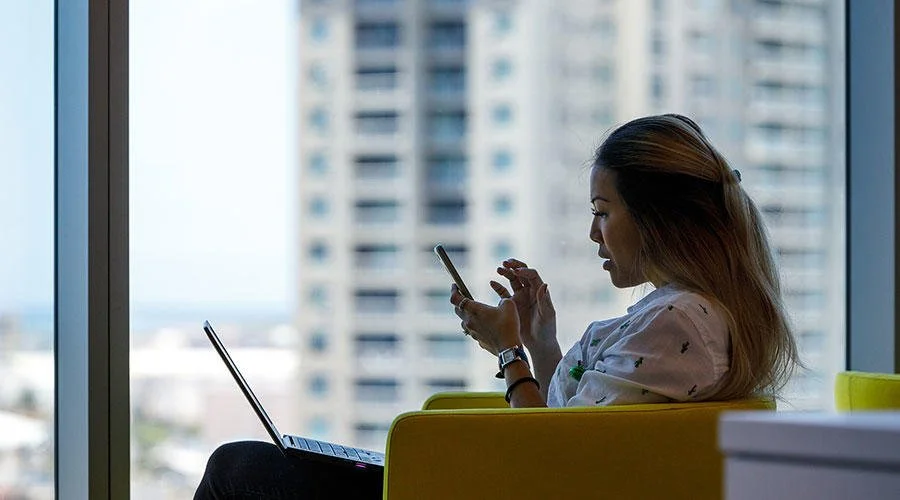
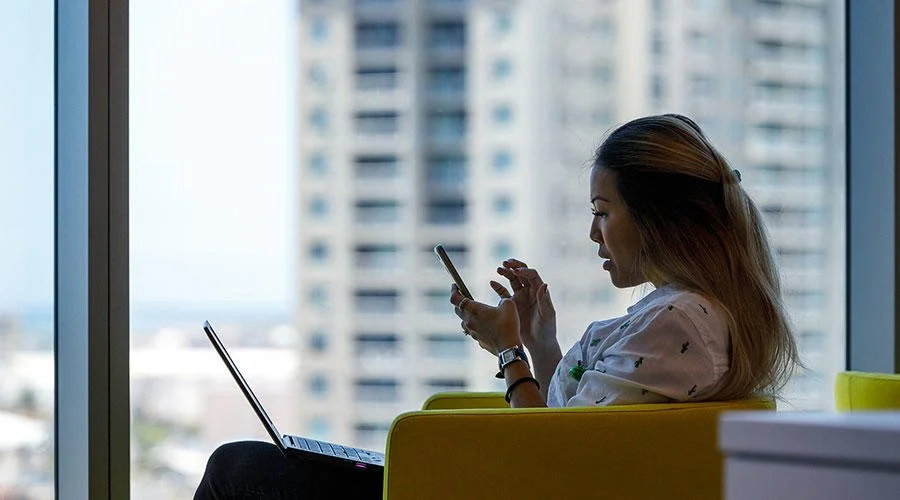
In a newly released study by Future Workplace entitled, “The Workplace Wellness Study,” over 67% of the 1,601 North American employees surveyed said they are more productive in workplaces that promote a healthy environment. One-third said they lose at least an hour of productivity each day due to office environments that don’t support their daily health. Download a summary of the study.
Air quality was cited as the most positive influence on wellness, with only one in four reporting that their office air quality was suitable to do their best work. Almost half of all employees (44%) said poor air quality makes them feel sleepy during the workday, and 28% reported that poor air quality creates symptoms such as itchy, watery eyes or throat irritation. 37% of employees said these symptoms improve when they leave the building at the end of the day.
Comfortable lighting was the second most highly-rated wellness factor. Yet 60% of workers reported that their companies don’t provide the adequate level of light required for optimal job performance. In addition, access to natural light and outdoor views all outranked an on-site gym and a pet friendly workplace policy as a preferred amenity in the workplace.
These findings support a larger trend of the growing importance of employee well-being. According to Gallup’s most recent iteration of the State of the American Workplace, more than half of employees report better overall well-being as “very important” to them. In the same survey, work-life balance and overall well-being were determined to be the second most important factor when choosing to work for an organization. When employees are fulfilled in all aspects of their well-being, this leads to increased employee engagement and increases individual performance.
Additional highlights from the report include:
Employees want personal control of their workspace environment. Nearly half of employees (48%) want the ability to personalize their dedicated workplace environment from a phone app. Almost half want to use an app to personalize the temperature of their workspace while more than a third would like to personalize their overhead lighting, desk lighting and levels of natural light with an app. Workers ranked personalization of the workspace environment more highly than unlimited vacation.
Workplace temperature is never good enough. One third of employees said it was continuously too hot or too cold in their offices. Only 1 in 3 respondents (33%) thought that their office temperature was set to do their best work.
Poor office acoustics create distractions. Office privacy is a distraction for almost half (47%) of all office employees. 78% of workers are unhappy with their office acoustics to do their best work.
Attention to employee wellness factors impacts recruiting and the employee experience. More than two-thirds of employees said a work environment that supports and enhances their health and well-being would encourage them to accept a job offer or to stay at their current job.
The research shows that employer health and wellness efforts fall short despite company investments in on-site gyms, ergonomics and healthy food choices. It’s the invisible factors such as air quality and access to natural light that are often overlooked yet provide a significant influence on workplace wellness, employee productivity and the overall quality of the employee experience.
The notion that the creation of the workplace environment is solely a real estate concern is an outdated concept. Today, employers recognize that the workplace environment is now part of the overall employee experience equation and a key lever to attract, engage, and retain top talent.
5 guidelines to take action on workplace wellness
1. Adapt an employee-centric view of workplace wellness. Survey your workforce to understand the factors most important to them when it comes to workplace wellness.
2. Build a holistic workplace wellness plan. Real Estate and HR need to work together to create a shared vision and strategy for workplace wellness.
3. Re-examine your workplace wellness investments. Focus less on opt-in perks like an on-site-gyms and more on areas that affect every employee, like the workstation.
4. Build personalization into your workplace wellness strategy. Employees expect the ability to personalize their workplace environment to best suit their physical and emotional needs at work.
5. Monitor the connection between workplace wellness and employee satisfaction. Adapt a continuous improvement mindset as it relates to creating a workplace environment that mirrors an employee’s best consumer experience.

About Jeanne Meister
Jeanne Meister is Founding Partner of Future Workplace, an HR Executive Network and Research firm. She is the best-selling author of four books, two books on Corporate Universities and two books on the future of work. Her most recent book is, The Future Workplace: 10 Rules For Mastering Disruption in Recruiting and Engaging Employees. This book was awarded the Silver Axiom Best Business Book Award for Human Resources professionals in 2017 and most recently the receipt of the Bellwether award, by the Community College Futures Assembly.

Designing Buildings With Smart Bird-Safe Windows
Birds are a fundamental part of maintaining a healthy ecosystem. As human societies grow, so does our awareness of bird safety and the impact our built environment has on them […]

View, Inc.
Designing Buildings With Smart Bird-Safe Windows
Birds are a fundamental part of maintaining a healthy ecosystem. As human societies grow, so does our awareness of bird safety and the impact our built environment has on them.
Birds do not see clear glass as an obstacle and don’t see images in glass as reflections. Because of the difference in how they see the world, millions of birds die from collisions with glass each year. As a company dedicated to health, wellness, and sustainability, View listened early on to customers and responded to the high interest in bird safety. View is the first electrochromic company to make bird-safe glass without sacrificing any of the core benefits of the smart windows.
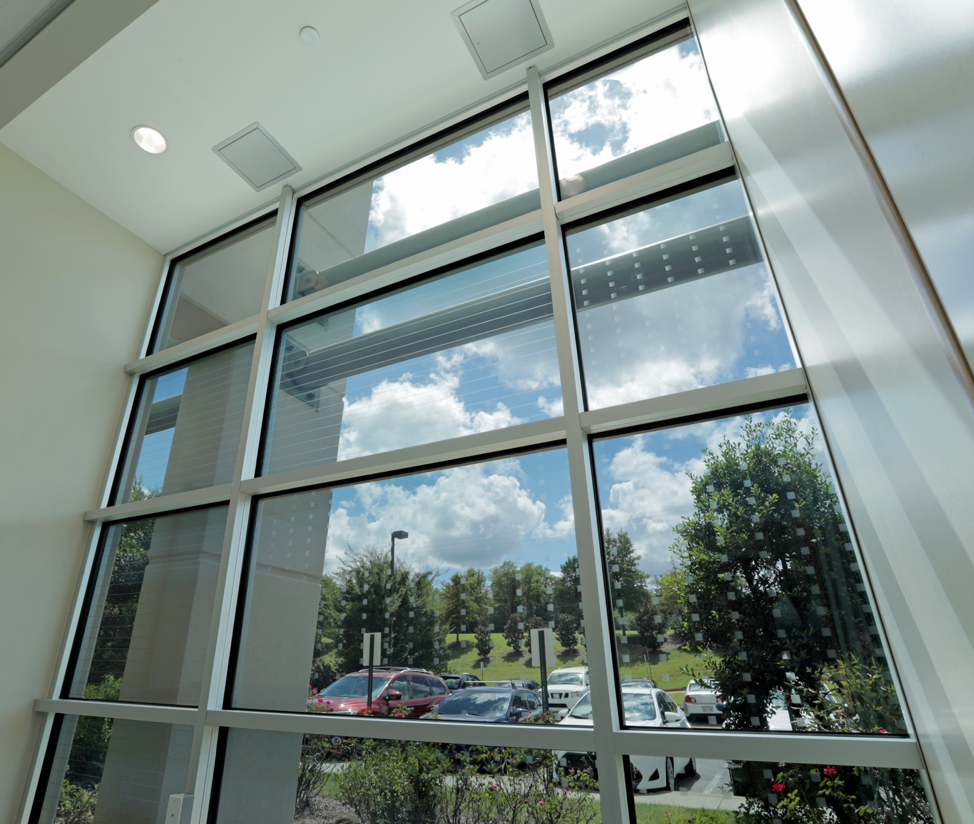
Bird-safe designs are critical architectural and design requirements in modern commercial real estate. Across North America, new guidelines for bird-safe buildings are now the norm. LEED certification, the leading benchmark in green building, has added bird collision deterrence to its credits and reports a significant increase in interest in the program. Many metropolitan areas are making bird-friendly glass mandatory, such as Chicago, Illinois, New York, and Washington DC, in the United States and major metro areas like Toronto in Canada.
According to the American Bird Conservatory(ABC), adding visual markers to glass is the best way to create a bird-safe environment. To do this, View developed windows with markers and conducted extensive studies. It was essential to ensure the birds avoided flying into the glass while ensuring the views from the windows were not compromised. View created dozens of different designs that were thoroughly tested, resulting in two different bird-friendly patterns, both approved by the ABC with an Avoidance Index of 80 and above. View also offers custom patterns to meet customer requirements or local regulations.
Daytime isn’t the only time the need for wildlife consideration arises: the Audubon society notes, “Many birds, particularly songbirds, migrate at night, navigating by the moon and stars.” Mostly flying at altitudes below 2,000 feet, and even lower on foggy and rainy nights, they often become disoriented by brightly lit windows in tall buildings. All View Smart Windows can be tinted at night to avoid light from escaping the building and thereby eliminating the light spillage for the building.
Our bird-friendly glass is only one aspect of View’s smart windows. They are designed to automatically change their tint based on weather, and internal occupancy conditions. View’s intelligent windows have been proven to reduce eyestrain, headaches, and drowsiness for people inside, and decrease building energy consumption. With credits for both energy efficiency and bird-friendly glass, View helps innovative companies quickly obtain LEED status.
You can see View’s smart windows in action, with the bird-friendly pattern, at innovative sites such as San Francisco International airport Terminal 1. You can also see our windows at locations across North America.