
Your backstage pass
Life with the coronavirus: How will the pandemic affect our workplaces?
Living with the coronavirus pandemic, we will never look at our workplaces in the same way […]
Rahul Bammi, Chief Business Officer
Life with the coronavirus: How will the pandemic affect our workplaces?
Living with the coronavirus pandemic, we will never look at our workplaces in the same way.
This virus has upended our lives. It seems as if we’ve entered a dark tunnel and we don’t know how long it will be until we come out on the other side. Shelter-in-place mandates have many of us appreciating, more than ever, the simple luxuries of eating out, shopping at the grocery store, and taking walks. We want to be together, but struggle to find a way. We’re finding that we crave the everyday interactions in our communities and at our workplaces.
Several experts predict things are going to get worse before they get better; however, I’m optimistic we will soon see light at the end of the tunnel. When we do, we will start to look at our workplaces in a new light.
We’ll prioritize human connection
Our collective shelter-in-place made one thing clear: Our homes are not our workplaces and our workplaces are not our homes. While our homes are places of relaxation, comfort and safety, the workplace has a specific purpose. It gives us a place to collaborate with our colleagues. It motivates, inspires, and energizes us. The workplace isn’t just a building where you show up, put on your noise canceling headset, and plug away day after day. It’s a place to co-create with others, build relationships and solve problems.
There are things about our workplaces that we didn’t appreciate until we lost them. Connecting with others is part of what makes work so fulfilling. After the coronavirus, we will appreciate and value human contact above all else.
We’ll bring nature to work
Many of us have been under shelter-in-place orders and cooped up indoors for weeks. When we are able to get outside even for short walks and feel the sunshine, we often feel an immediate sense of bliss. We realize just how gloomy — even depressing — our confinement has been and just how important a connection to nature is to our health and peace of mind.
These realizations — that simple things like natural light and fresh air can lift our spirits and promote contemplation — are supported by studies that show increased access to daylight and views of the outdoors are critical determinants of our health and wellness. More natural light and views can decrease heart rate and lower blood pressure, better regulate the circadian rhythm, and even positively impact our creativity.
We will want this connection to nature and to the outdoors when we return to our offices — whether by sitting in locations that give us more natural sunlight and views, or through biophilic elements that bring nature indoors.
We’ll place greater value on our health and wellness
This pandemic has reminded us of our vulnerabilities. Beyond the immediate consequence of washing our hands every hour, it’s reminded us of the need to take care of our bodies and minds — how we sleep, how we eat and how we exercise. We will be more mindful of our overall health and the need to live better.
This focus on health will carry over to our workplaces and will heighten our awareness of how buildings can affect our wellbeing. In the past, we thought of our workplaces as just that — places to work. We didn’t consider how they were affecting our health. And I’m not just talking about the spread of pathogens (although, we will certainly pay more attention to how often we wash our hands and what we touch in the communal kitchen).
I’m talking about the building as a whole. Americans today spend, on average, more than 90 percent of their time indoors. Over the last 50 years, we’ve replaced the sun’s light with artificial lamps, fresh air with HVAC, and the sound of the natural world with humming screens. We’ve created a new human environment, and it’s making us sick. Employees working in offices with poor air quality and an absence of natural light sufferheadaches, eyestrain, and drowsiness. They are less healthy, less happy, and less productive.
A recentsurveyof more than 1,600 professionals across North America found that, more than any other amenity, employees say they want a healthy work environment — with more natural light and views of the outdoors. And building developers and owners are responding by designing office spaces with better ventilation and improved access to natural light.
Our experience with the coronavirus will simply accelerate this movement. If this pandemic has made one thing clear, it’s that our health is crucial to our mental wellbeing and business success.
We’ll reduce the bad
We won’t just add good things to our buildings. We’ll remove the bad.
We’ll have enhanced cleaning procedures and more hand sanitizing stations. Buildings will eventually have automatic doors and voice activated elevators so we don’t touch door handles and buttons. We’ll reconsider every surface in our offices that has the potential to collect germs and pathogens. One of the biggest culprits here are blinds and shades as these are common traps for dust and pathogens. Studies in hospital rooms have found dangerous bacteria and viral pathogens on more than 90 percent of curtains and shades. Not only are they a pain to clean, but they also block natural light and views.
Smart windows make blinds and shades completely unnecessary by adjusting automatically in response to the sun and eliminating heat and glare. When we use smart windows and eliminate blinds, we let in more natural light, provide more views, and significantly improve health outcomes.
Current recommendations for the coronavirus include opening blinds and shades to let the sunshine in. But in the workplace of the 21st century, we’ll do something better: Get rid of them.
We’ll demand and expect our workplaces to be designed with our health in mind
It’s likely that most of us will want to come to work more than ever before. However, our experience with this pandemic will encourage us to care much more about our health and wellbeing at work. Smart employers will respond accordingly — by designing workplaces from the ground up with the health, wellness, and productivity of the people who live and work in them in mind.
A Sense of Purpose
Over the past week, as the impact of the coronavirus took hold over our lives, after the initial actions to ensure the health and safety of our employees, I spent much of my time in video conferences […]
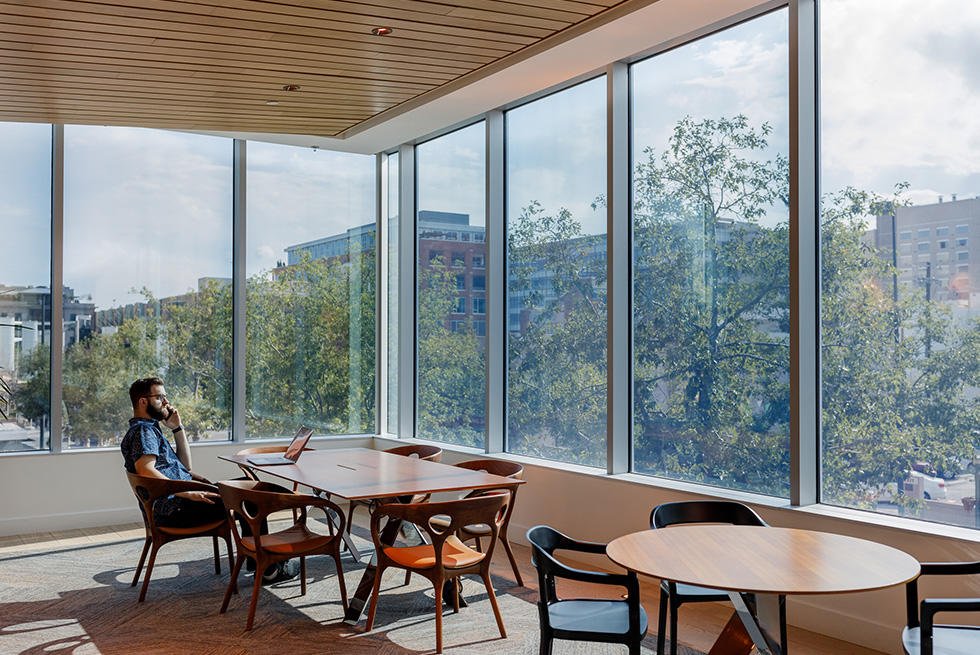
Rao Mulpuri, CEO at View
A Sense of Purpose
Over the past week, as the impact of the coronavirus took hold over our lives, after the initial actions to ensure the health and safety of our employees, I spent much of my time in video conferences. I talked to our customers—more in one week than the entire previous month. I spoke with our account teams, who are working tirelessly to assure our customers that we are there for them. And I listened to working parents, as they juggled to provide the nurturing for their kids, while doing the best they can to meet their professional obligations. In these calls, I felt a great deal of fear and anxiety. It feels like we entered a dark tunnel, and we don’t know quite how long it is.
It’s only human for us to feel these things—our very lives have been turned upside down. News headlines have left us discombobulated. We feel a sense of loss for a tumbling economy and for our careers and lives, which we’ve been forced to reimagine. For many of us, the outside world has been shut out.
As the CEO of a technology company that strives to inspire change, I am an eternal optimist. I believe in a few weeks, once we’ve learned to move to the rhythms of this new world, we will adjust. We always do. It’s what we choose to do during this time that will truly matter. My hope for us is that we’ll use it to look forward and stay positive.
Beyond survival, perhaps the most important thing for a human being is a sense of purpose. If you’re an emergency room doctor, a nurse, a firefighter, or a paramedic, you’re feeling an extreme sense of purpose right now—lives are literally in your hands.
Each of us already had a sense of purpose before we got into this. Your sense of purpose could be to support your customers. You might ask, “How can I pay attention to their pain, so I can be most supportive as they live through this time—and be helpful when they come out of it?” If you are in charge of a production line that is still running, you can ask yourself, “How do I safely continue to produce and keep the economic engine running so it can spin back up to normal when this is all over?” If you’re a leader of a company, perhaps your sense of purpose can be in communicating often and with honesty as you navigate this uncertain period.
Beyond work, do the things you always wanted to do in life that you couldn’t (minus the things that involve travel of course). Get back in shape. Spend time outdoors. Keep your mind healthy by reading. Spend time with your family. Catching up on sleep is also good.
This crisis has the potential to bring out the best or worst in us. It’s our choice. It is heartening to see the best of humanity and the generosity of so many people around the world. Some of the greatest innovations were also born during times of great uncertainty. Sure, the conventional world has been turned upside down, but I work with some of the most ambitious, innovative, caring, committed, resilient bunch of people that inspire me to be positive and believe in a brighter future every day.
I don’t know when this crisis will come to an end, but I can assure you: It will. There will be another side to this. We will come out of the tunnel. Let’s take this time to decide what kind of world we want to see when we do.
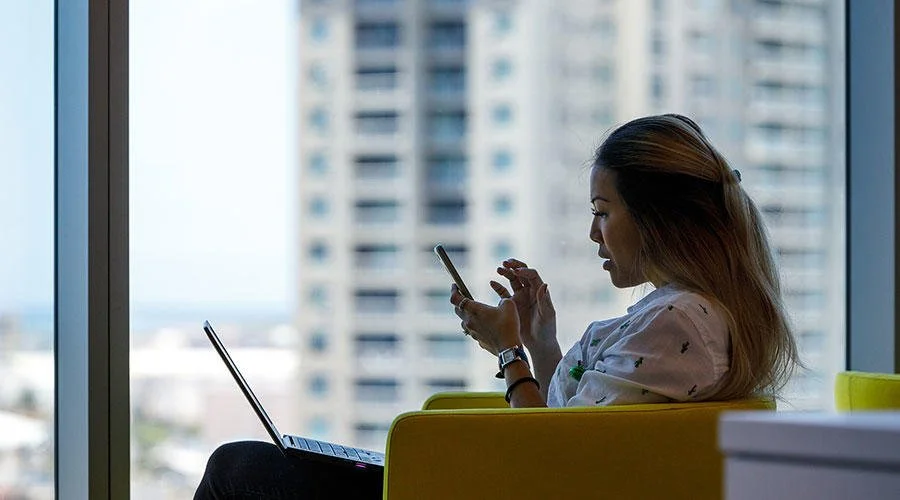
Future Workplace Study: Natural Light and Air Quality Have the Biggest Impact on Workplace Wellness
Majority of North American Workers report inadequate natural light, while nearly half suffer from poor air quality […]
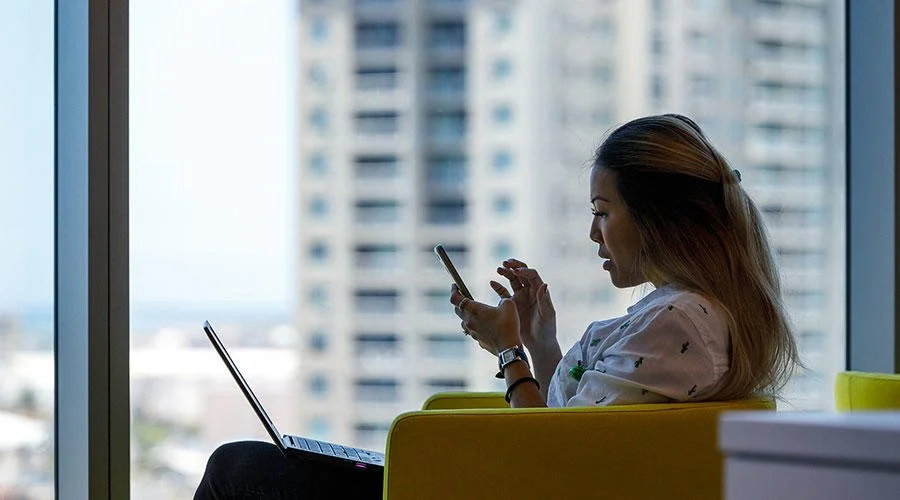
View, Inc.
Future Workplace Study: Natural Light and Air Quality Have the Biggest Impact on Workplace Wellness
Majority of North American workers report inadequate natural light, while nearly half suffer from poor air quality
By Jeanne Meister
In a newly released study by Future Workplace entitled, “The Workplace Wellness Study,” over 67% of the 1,601 North American employees surveyed said they are more productive in workplaces that promote a healthy environment. One-third said they lose at least an hour of productivity each day due to office environments that don’t support their daily health. Download a summary of the study.
Air quality was cited as the most positive influence on wellness, with only one in four reporting that their office air quality was suitable to do their best work. Almost half of all employees (44%) said poor air quality makes them feel sleepy during the workday, and 28% reported that poor air quality creates symptoms such as itchy, watery eyes or throat irritation. 37% of employees said these symptoms improve when they leave the building at the end of the day.
Comfortable lighting was the second most highly-rated wellness factor. Yet 60% of workers reported that their companies don’t provide the adequate level of light required for optimal job performance. In addition, access to natural light and outdoor views all outranked an on-site gym and a pet friendly workplace policy as a preferred amenity in the workplace.
These findings support a larger trend of the growing importance of employee well-being. According to Gallup’s most recent iteration of the State of the American Workplace, more than half of employees report better overall well-being as “very important” to them. In the same survey, work-life balance and overall well-being were determined to be the second most important factor when choosing to work for an organization. When employees are fulfilled in all aspects of their well-being, this leads to increased employee engagement and increases individual performance.
Additional highlights from the report include:
Employees want personal control of their workspace environment. Nearly half of employees (48%) want the ability to personalize their dedicated workplace environment from a phone app. Almost half want to use an app to personalize the temperature of their workspace while more than a third would like to personalize their overhead lighting, desk lighting and levels of natural light with an app. Workers ranked personalization of the workspace environment more highly than unlimited vacation.
Workplace temperature is never good enough. One third of employees said it was continuously too hot or too cold in their offices. Only 1 in 3 respondents (33%) thought that their office temperature was set to do their best work.
Poor office acoustics create distractions. Office privacy is a distraction for almost half (47%) of all office employees. 78% of workers are unhappy with their office acoustics to do their best work.
Attention to employee wellness factors impacts recruiting and the employee experience. More than two-thirds of employees said a work environment that supports and enhances their health and well-being would encourage them to accept a job offer or to stay at their current job.
The research shows that employer health and wellness efforts fall short despite company investments in on-site gyms, ergonomics and healthy food choices. It’s the invisible factors such as air quality and access to natural light that are often overlooked yet provide a significant influence on workplace wellness, employee productivity and the overall quality of the employee experience.
The notion that the creation of the workplace environment is solely a real estate concern is an outdated concept. Today, employers recognize that the workplace environment is now part of the overall employee experience equation and a key lever to attract, engage, and retain top talent.
5 guidelines to take action on workplace wellness
1. Adapt an employee-centric view of workplace wellness. Survey your workforce to understand the factors most important to them when it comes to workplace wellness.
2. Build a holistic workplace wellness plan. Real Estate and HR need to work together to create a shared vision and strategy for workplace wellness.
3. Re-examine your workplace wellness investments. Focus less on opt-in perks like an on-site-gyms and more on areas that affect every employee, like the workstation.
4. Build personalization into your workplace wellness strategy. Employees expect the ability to personalize their workplace environment to best suit their physical and emotional needs at work.
5. Monitor the connection between workplace wellness and employee satisfaction. Adapt a continuous improvement mindset as it relates to creating a workplace environment that mirrors an employee’s best consumer experience.

About Jeanne Meister
Jeanne Meister is Founding Partner of Future Workplace, an HR Executive Network and Research firm. She is the best-selling author of four books, two books on Corporate Universities and two books on the future of work. Her most recent book is, The Future Workplace: 10 Rules For Mastering Disruption in Recruiting and Engaging Employees. This book was awarded the Silver Axiom Best Business Book Award for Human Resources professionals in 2017 and most recently the receipt of the Bellwether award, by the Community College Futures Assembly.
Atlanta’s Newest Class A Office Space, The Interlock, Features Smart Windows from View
View windows will let in the optimal amount of natural light and preserve views while blocking unwanted glare and heat [...]
View, Inc.
Atlanta’s Newest Class A Office Space, The Interlock, Features Smart Windows from View
View windows will let in the optimal amount of natural light and preserve views while blocking unwanted glare and heat
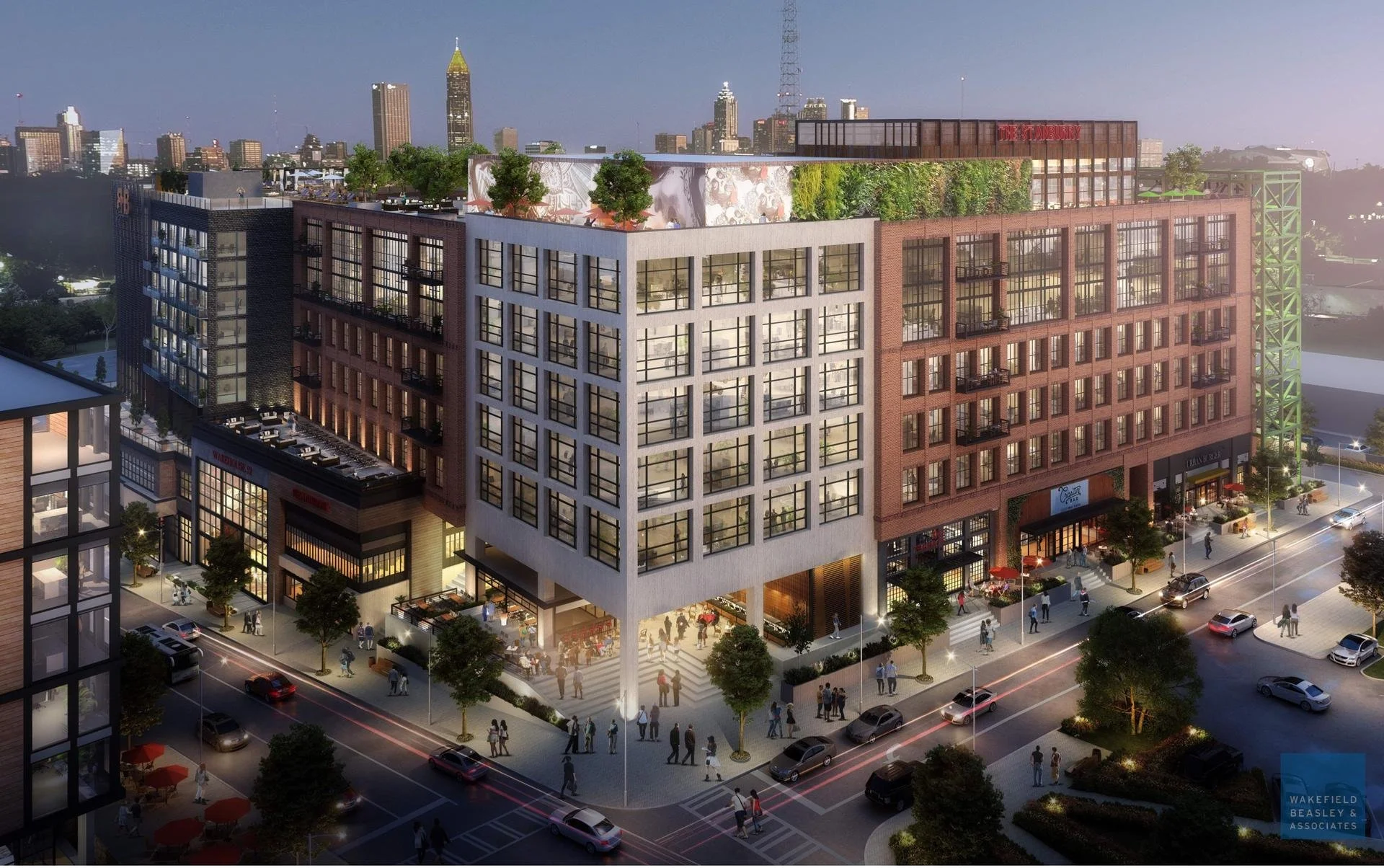
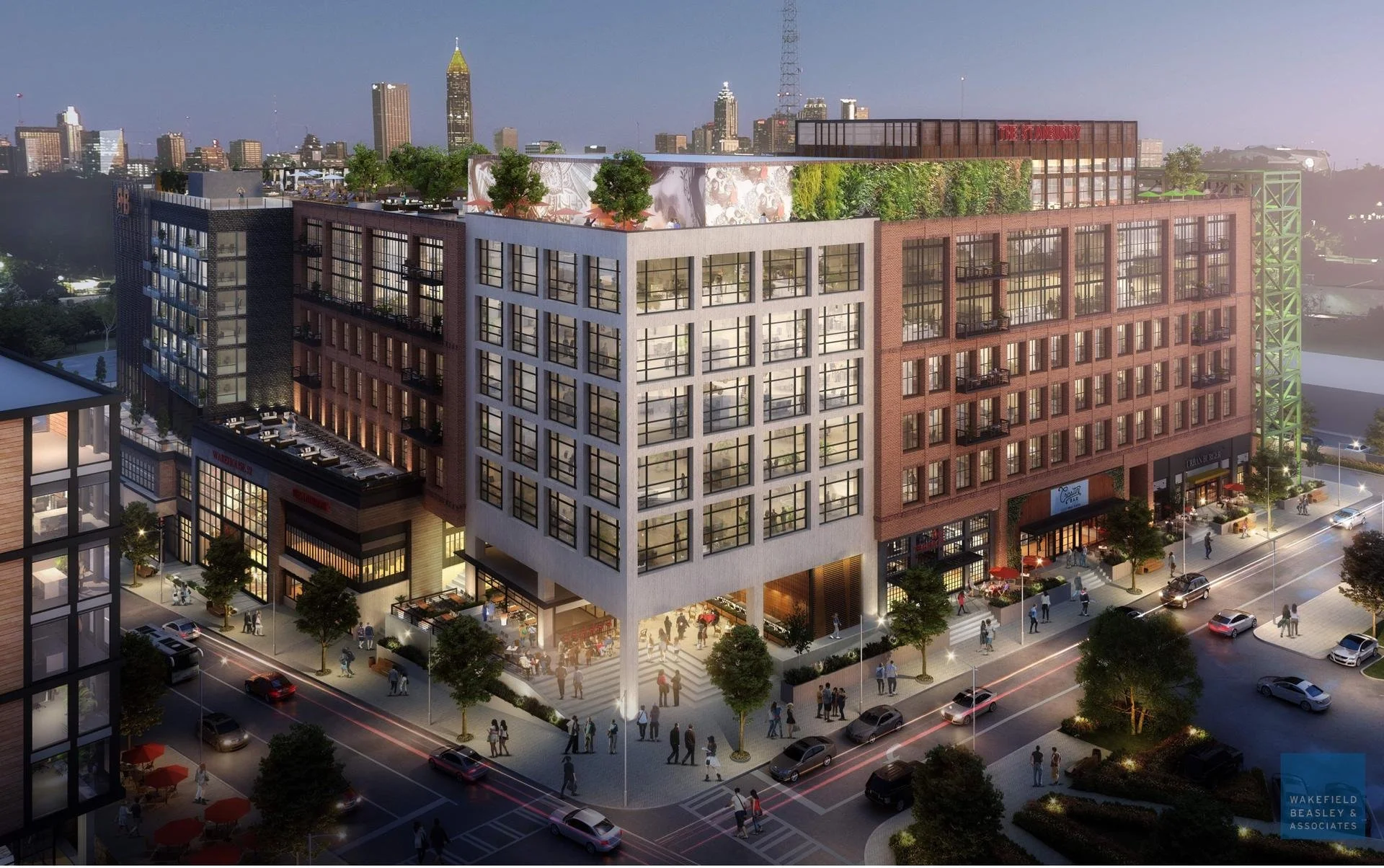
Developer S.J. Collins Enterprises has chosen to outfit The Interlock, Atlanta’s newest mixed-use development project with Class A office space in the emerging West Midtown neighborhood, with View Dynamic Glass.
“The Interlock is 85 percent leased for its office space component, and we believe that is due to our commitment to providing the best in amenities, open space and design for residents, visitors and office workers,” said Jeff Garrison, a partner at S.J. Collins Enterprises. “We are excited to offer the first building in Atlanta with these high-tech windows that will enhance the occupant experience within the space.”
Scientific research has proven View’s smart windows enhance mental and physical wellbeing by significantly reducing headaches, eyestrain and drowsiness and studies show significant gains in productivity as a result. In addition, they control heat and glare, which improves the energy efficiency of buildings by up to 20 percent.
“Choosing View Smart Windows allows us to create a new type of office environment that will dramatically improve productivity with big open spaces that feature the floor-to-ceiling windows,” said Garrison. “In a tight market, it’s amenities like this that allow us to be successful and attract high-profile clients who are looking to take their office environment to the next level.”
Garrison was familiar with View Dynamic Glass from his experience on the board of the Mount Vernon Presbyterian School, which had also chosen to use View’s smart windows.
“The View Smart Windows ensure education spaces at Mount Vernon Presbyterian School have ample natural light and access to views, which has been shown to improve student performance,” said Garrison.
The commercial office component of The Interlock is currently pre-leased by a 50,000-square-foot space for Georgia Tech and a 120,000-square-foot lease for WeWork.
Located at the corner of Howell Mill Road and 14th Street, The Interlock is expected to offer 200,000 square feet of creative office space, 100,000 square feet of retail space, 345 apartment units and a rooftop view of the city’s skyline, representing approximately $245 million of new development. The Interlock is scheduled for completion in 2020.
Other properties with View Dynamic Glass in the Atlanta area include the AC Hotel Buckhead Plaza. For more information, view this video.
Developer: S.J. Collins Enterprises
Architect: Wakeield Beasley Associates Architects
Glazing Contractor: Jones Glass Inc
Consultant: American Community Builders LLC

Smart glass glare control performance and durability: 2 sides of the same coin
Optimal glare control and visual comfort require 1% Tvis or lower that remains durable over time […]

View, Inc.
Smart glass glare control performance and durability: 2 sides of the same coin
Optimal glare control and visual comfort require 1% Tvis or lower that remains durable over time
At View, our vision is based around the science that natural light is required to live a healthy and productive life. For too long, people have been living indoors with problems like heat and glare while missing out on things our bodies and minds crave — natural light and beautiful views.
View is committed to delivering a smart window system that maintains visual comfort with optimal glare control in even the most challenging daylight conditions – for the life of your building. That’s why we offer smart windows that blocks over 99% of visible light under direct sunlight conditions.
When it comes to investing in smart windows, customers want peace of mind knowing they will provide complete glare control that lasts. Both the performance and durability of the product need to be evaluated to guarantee the right windows are chosen. While industry test methods, such as ASTM E 2141, help ensure smart glass meets basic performance levels, they do not certify it provides optimized visual comfort. Without durable visible light transmission, glass that meets ASTM E 2141 could begin testing at 1% Tvis and exit testing at 6% Tvis – well over the glare control threshold. On the other hand, a product might have great durability but will fail to provide optimal glare control and visual comfort because it cannot reach visual transmission levels below the 1% Tvis threshold for glare.
In this newly released white paper, the ability of View Dynamic Glass to maintain visual comfort in different climate zones with varying daylight conditions was explored. In addition, the study looked at the relationship between visible light transmission (Tvis) and visual comfort for different climates as well as the importance of achieving 0.5% to 1.0% visible light transmission to control direct sunlight. The results demonstrate the optimal Tvis level required to control glare and why simply meeting industry standards might not be enough.
The study
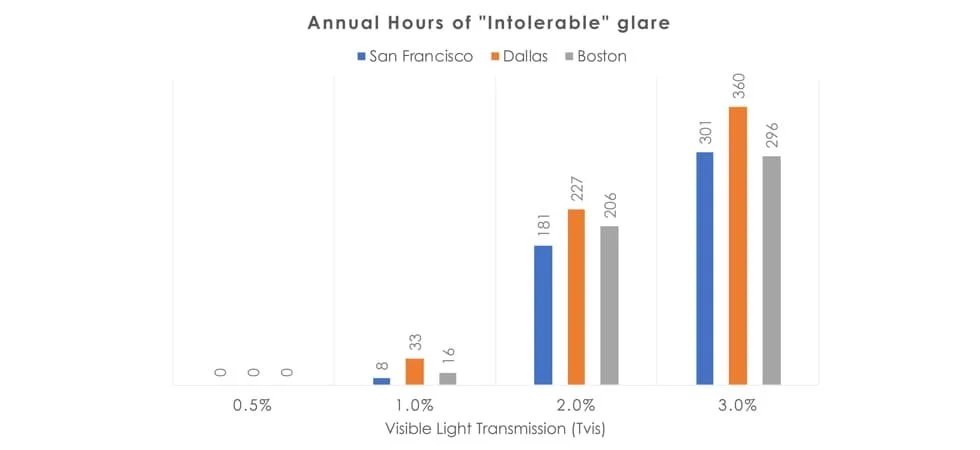
To demonstrate the sensitivity of visible light transmission and glare control, a daylight analysis was performed for a typical south-facing office building in three U.S. locations: Boston, MA, Dallas, TX, and San Francisco, CA. These locations were selected to represent a range of climates and latitudes. Four visible light transmission levels were studied (0.5%, 1.0%, 2%, and 3% Tvis), and annual glare analysis was performed for two desk locations behind the south facade. Daylight Glare Probability (DGP), a metric that quantifies discomfort due to glare, was calculated for each hour of the year for the two desk locations.
The results: 1.0% Tvis or lower required for complete glare control
The results of the study demonstrate that a 1.0% or lower visible light transmission is required to reduce or eliminate intolerable glare to acceptable levels. Climate, desk position, and visible light transmission of the glazing all play influential roles in determining glare mitigation and visual comfort in a workplace environment. However, the differences seen in climate and desk position are relatively minor compared to the differences in comfort due to visible light transmission. A 2% or higher visible light transmission produced an unacceptable frequency of intolerable glare for desk locations within 10 feet from the facade.
In our quest to improve occupant delight, View Dynamic Glass responds to all sources of glare using its dynamic tint states and predictive Intelligence control system. Even then, it is never advised to look directly at the sun, just the same as when wearing sunglasses outside or viewing a solar eclipse without special glasses.
Download the complete study here.
For more information on the requirements for lasting glare control and ASTM E 2141, download the eBook here.