
Your backstage pass

Why Your Office Is Making You Sleepy
According to many recent estimates, Americans spend more than 90% of their time indoors. Meanwhile, a rapidly growing body of scientific research suggests that inadequate lighting in the workplace interferes with the quality of life, causing health problems, drowsiness, mood swings, and reduced productivity. […]

Cameron Craig, Storyteller, View, Inc.
Why Your Office Is Making You Sleepy
According to many recent estimates, Americans spend more than 90% of their time indoors. Meanwhile, a rapidly growing body of scientific research suggests that inadequate lighting in the workplace interferes with the quality of life, causing health problems, drowsiness, mood swings, and reduced productivity.
Every lifeform on the planet has its own internal clock. The subtle interaction between the amount of light available and brain centers dictates the rhythm of hormonal secretion and their interaction. For example, inadequate lighting patterns can interfere with growth hormone (GH) secretion which in adults has the predominant role in speeding up healing and restoration processes throughout the body.
What makes ideal lighting conditions?
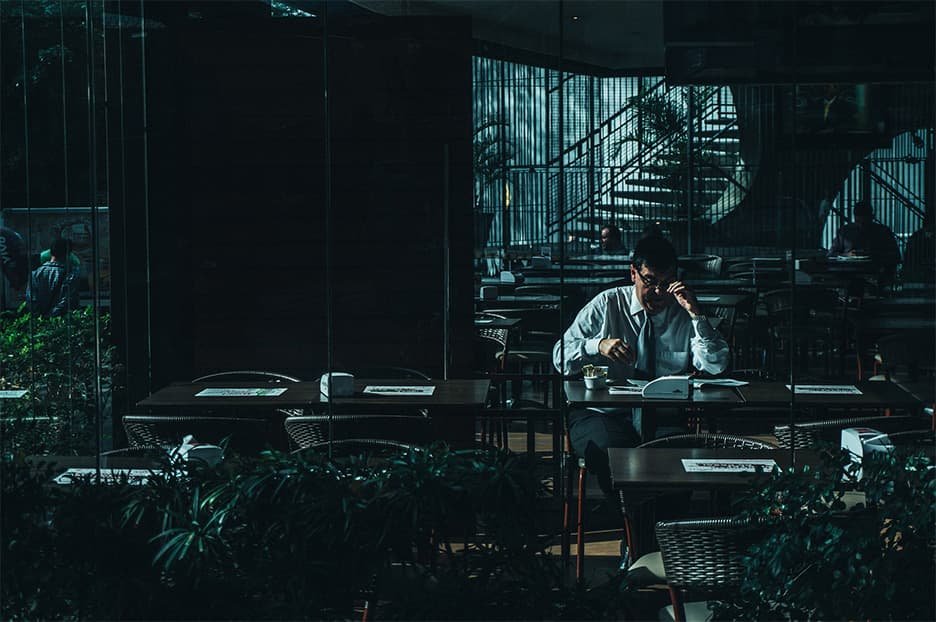
Photo credit StockSnap
Exposure to inadequate working or living conditions over time causes serious health problems. Doctors sometimes refer to this phenomenon as Sick Buildings Syndrome. According to research, the leading culprit of office workers’ health woes is poor lighting and it has a clear connection to eye pain [1]. Another study published in 2011 by Kholasezadeh showed a strong correlation between poor lighting and fatigue, headache, depression, tiredness, general discomfort, and loss in productivity [2].
How bad is bad lighting?
When it comes to light, the mere presence of it does not mean it’s adequate. Quite often, it takes a while for building occupants to notice something is wrong in their working environment. They may notice symptoms such as drowsiness, headaches, or depression but won’t necessarily attribute them to poor lighting conditions. Meanwhile, the mistakes made while suffering through these symptoms can cost companies significant amounts of money, and more importantly, the health and even lives of their employees.
The Solution
Achieving optimal lighting is much more challenging than merely turning on a few more light bulbs or using blinds. Dr. Alan Hedge is one of the most cited ergonomists in the world. His entire work is focused on answering one (seemingly) simple question: How to design a perfect working environment that will maximize workers' comfort and productivity? Over the past three decades, he has published more than 250 scientific articles and wrote over 50 book chapters on the subject of the working environment. Currently, Dr. Hedge is a professor in the Department of Design and Environmental Analysis, Cornell University.
The best medicine for the office is the right amount of natural light
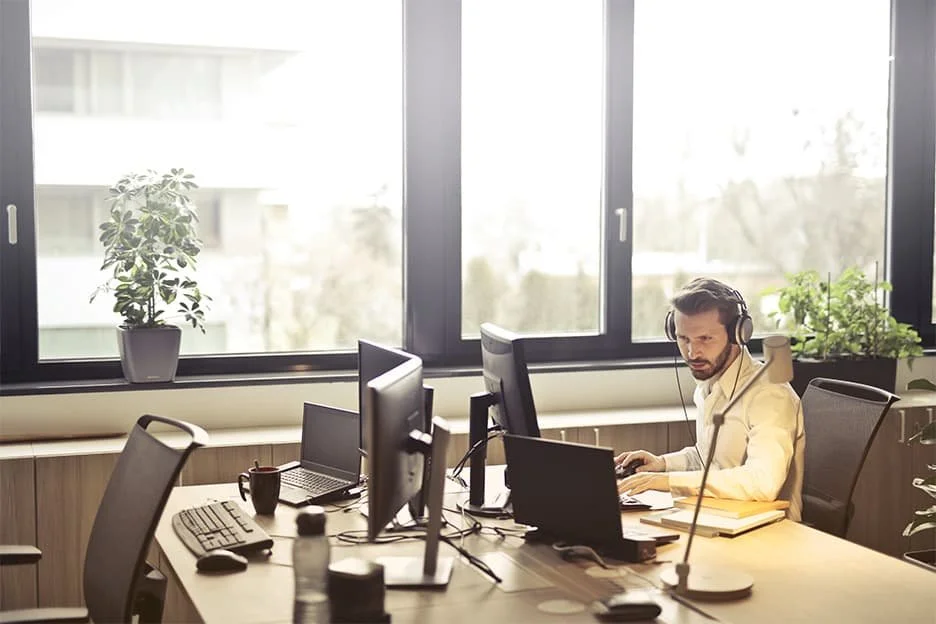
Photo credit bruce mars
During the Fall of 2017, Dr. Hedge compared two groups of workers: those who work in offices with traditional windows and those who worked in offices with self-tinting, dynamic, or “smart windows.” Professor Hedge had full autonomy over all aspects of research, particularly the survey design and data analysis. Workers were surveyed about a sense of wellness, happiness, work-related performance, and overall experience in their working environment. To clarify, “smart windows” tune the amount of light they let in based on outside conditions to ensure that people inside the building always have the optimal light conditions. On bright sunny days, smart windows tint more while on cloudy days they are tintless, always ensuring that the indoor light levels are optimal and there is no glare.
The Results
Computer Vision Syndrome
Sub-optimal lighting for more than 3 hours a day causes Computer Vision Syndrome symptoms: double or blurred vision and tension headaches. In the offices with optimized lighting conditions, the incidence of Computer Vision Syndrome was significantly reduced.
Workers included in the study reported a 51% drop in the eyestrain and 63% drop in the incidence of headaches.
Increased productivity
The productivity of the workers in the offices with smart windows (optimal lighting conditions) increased for the equivalent of $100,000/year for every 100 workers- that’s $2 million of additional value over the course of the expected smart window’s lifetime.
The Bottom Line
Humans spend way too much time indoors in sub-optimal lighting conditions which can cause serious health issues such as depression, fatigue, malaise, drowsiness, eye strain, headaches, skin dryness, general productivity, and loss in comfort.
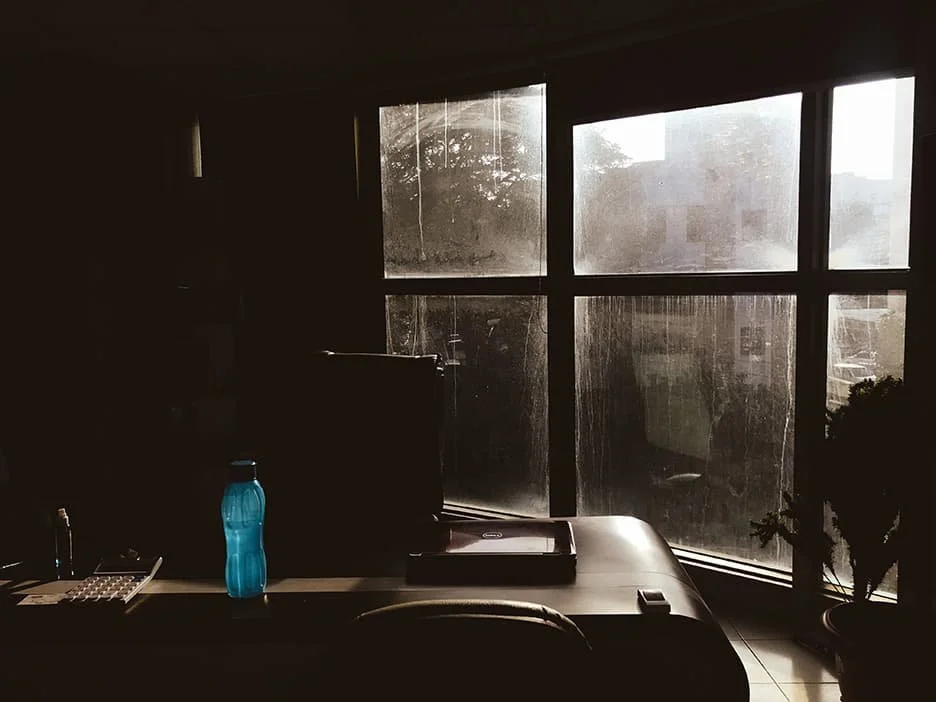
Photo credit Madan Babu
Despite their best intentions, companies are unwittingly detracting from their employees’ health and performance by limiting their access to natural light.
As companies increasingly look to empower their employees to work better and be healthier, it is clear that placing them in office spaces with the optimal amount of natural light should be one of their first considerations.
These findings are a wake-up call to every executive who wants to maximize the wellness and productivity of their workforce.
If you are working in an office with sub-optimal natural light and you feel tired, speak up to management and suggest they look into solutions like View Dynamic Glass. Many companies have employee suggestion programs that make it easy to do this. And until a better solution is in place, take a break and walk outside to absorb natural light – it’s medicine for your well-being.
References:
[1] Jafari, Mohammad Javad; Khajevandi, Ali Asghar; Mousavi Najarkola, Seyed Ali; Yekaninejad, Mir Saeed; Pourhoseingholi, Mohammad Amin; Omidi, Leila; Kalantary, Saba (2015-01-01). “Association of Sick Building Syndrome with Indoor Air Parameters”. Tanaffos. 14 (1): 55–62
[2] Kholasezadeh G, Mirmohammadi Meybodi S, Mehrparvar A, Tafti F, Abedinzadeh M, Nourani Yazdi F. Assessment of sick building syndrome among office workers in Shahid Sadoughi University of medical sciences in 2008. Iran Occupational Health. 2011; 8( 1): 70– 6.

5 Ways Your Office Is Giving You a Headache (and what you can do about it!)
If you suffer from frequent headaches and/or migraines, your office may be the problem. Migraines cost Americans an estimated $36 billion annually in lost productivity and health care expenses. Here are five ways your workplace might be giving you a headache and tips on what you can do about it. […]

Cameron Craig, Storyteller, View, Inc.
5 Ways Your Office Is Giving You a Headache (and what you can do about it!)
If you suffer from frequent headaches and/or migraines, your office may be the problem. Migraines cost Americans an estimated $36 billion annually in lost productivity and health care expenses. Here are five ways your workplace might be giving you a headache and tips on what you can do about it.
1. Toxic Air
Indoor air quality is an often forgotten aspect of our lives that can seriously impact our health. According to the EPA, our indoor environment is two to five times more toxic than our outdoor environment and on average Americans are spending about 90 percent of their lives indoors!
There are pollutants in the air conditioning, toxic particles, dangerous bacteria, and mold all floating around the atmosphere, especially in buildings that aren’t well taken care of. Cleaning products often don’t help either. They can lead to headaches, dizziness and fatigue, and even respiratory diseases, heart disease, and cancer.
Tips:
Get up at least once every hour and get some fresh air. Try to walk outside, or take a walk around the building. Get a portable air filter. Some headache sufferers even get portable oxygen tanks delivered for oxygen therapy. Buy an indoor air quality monitor to measure your indoor environment and inform you about changes and trends in particle concentration.
2. Sitting
You’ve heard it, “sitting is the new smoking.” At a minimum, excessive sitting can lead to chronic pain and tension headaches.
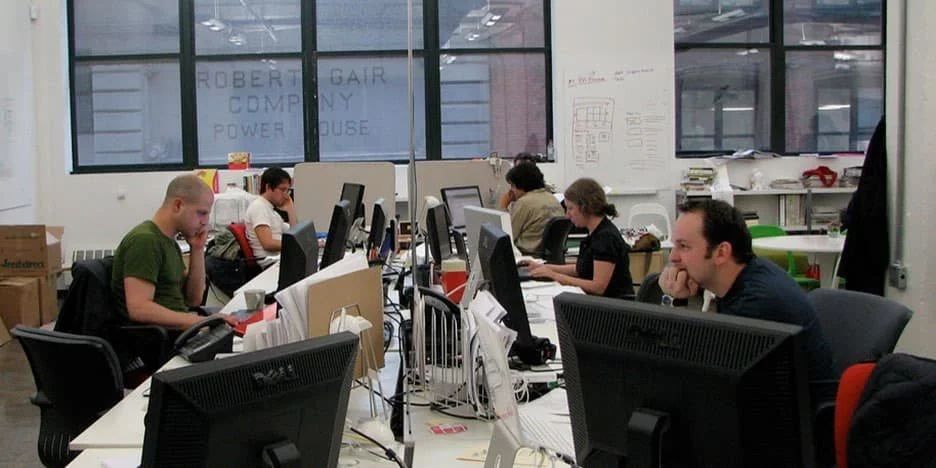
Photo by Carl Collins
Office jobs tend to require a lot of sitting - something our bodies weren’t really designed to do for long stretches. Sitting is a problem for many reasons, let alone sitting for long hours and in the wrong position.
The typical “goose-neck” pose we all get when staring at the screen (head jutting forward, shoulders hunched) increases the curve in the mid back, straining the upper neck. Constant slumping actually makes the head heavier, further straining the muscles in the neck. The result? Pain that crawls up into the head.
Tips:
Set the timer on your phone or computer, for every 15 minutes or 30 minutes and when the timer goes off take quick stock of where your shoulders are and if they are slumping in your chair. When the alarm goes off it is also not a bad idea to stand up and allow the muscles to reset. Muscles need blood flow in order for them to function properly and not tighten up. Just standing at your desk for even a minute will allow for increased blood flow and may save yourself a headache.
3. Uncomfortable Shoes
Leonardo Da Vinci was on point when he called the human foot “a masterpiece of engineering and a work of art.”
Can you imagine the burden that is generated when the full force of your body weight is crushing down on the base of your toes rather than being evenly distributed to all 26 bones of each foot? Wearing uncomfortable shoes may eventually lead to spinal injuries, muscle spasms, and chronic headaches.
According to this article on health.com, uncomfortable footwear such as high heels throw your body’s alignment out of whack. “When you wear heels, you change your center of balance, leading to increased curvature of your back,” says Judy F. Baumhauer, M.D., an orthopedic surgeon and president of the American Orthopaedic Foot & Ankle Society (AOFAS) . This can lead to the discs in your spine breaking down, as well as muscle spasms and pain throughout the body, and yes, maybe even chronic headaches or migraines.
Tips:
Runners, Ugg boots, and stylish sneakers are great for the office. Look for ‘comfort fashion’ shoes that just might save you a ton on future medical bills.
4. Fast Food
Office workers love fast food as a way to satisfy cravings and fill up quickly on the go. But that takeout lunch special may be causing your headaches. Many fast foods contain MSG (monosodium glutamate) a popular food additive used in a wide range of processed, packaged, and restaurant foods. Like other headache triggers, MSG launches its attack by dilating blood vessels and exciting certain nerves in the brain.

Photo by ebruli
Processed foods, including those on the menus of fast-food joints, contain ingredients like nitrate or nitrite, and artificial sweeteners that increase blood flow, leading to head pressure and pain. Food processors add it to their meat products to protect against Clostridium botulinum, the bacteria that causes food poisoning, and because it gives the meat that fresh, pink color and “cured” taste.
Tips:
The best bet is to bring a home-cooked meal, packed with vegetables, proteins, and healthy grains to work. If that’s not an option, try to choose a lighter, healthier option on the restaurant menu at least a few times per week. Also, always ask for your food to be prepared without MSG or seasoning salt (which contains MSG) the next time you’re ordering take-out.
Another trick is to keep healthy snacks on your desk – nuts, fruit, a small yogurt, or even some dark chocolate. That way you won’t starve before lunch or have the urge to run to the communal fast food drawer or the Girl Scout cookies.
5. Lighting
Do your eyes hurt, burn or itch after a day at work? Poor lighting may be to blame for your symptoms. Many companies use inexpensive fluorescent lighting to light large areas because it’s a fairly inexpensive option. Unfortunately, your eyes pay the price.
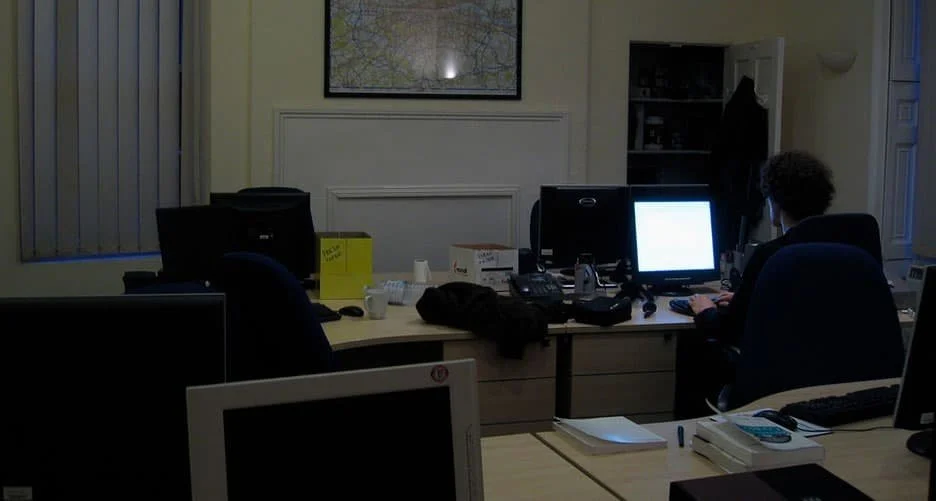
Photo by tripu
There are three ways office lighting can trigger headaches -
- The glare on computer screens from any overhead lighting
- The glare from overhead incandescent lighting
- The flicker from fluorescent lighting
This forces your visual cortex to compensate for the large changes in illumination which stresses your brain out. Basically you overload your system to receive large amounts of light and visual information without allowing your brain to relax and process the information. As a result, in some people, the brain can handle this amount of input which creates migraines, headaches, and discomfort when dealing with office lighting.
Working in a dimly lit environment can be just as uncomfortable as working under bright lights. Dim light can cause eyestrain and make your eyes feel tired quicker. Not surprisingly, productivity can suffer when there’s not enough light.
If you can’t stand the lights in your office, you’re not alone. A study conducted by the American Society of Interior Designers showed that 68 percent of employees were dissatisfied with the lighting quality in their offices. Lighting is considered one of the most important factors in ergonomics, but too often this part of an office’s design is overlooked, rushed, or sacrificed for style.
Windows are the number one determinant of an employee’s satisfaction with a building. Natural lighting not only affects how well we are able to see, but it can also boost our mood, energy level, and hormonal balance. It can reduce absenteeism, owing to fewer illnesses as well as less overwork fatigue, which means more time off for employees to recharge batteries.
However, natural light comes with the unwanted side effects of heat and glare. Have you ever seen your colleagues cover up a window with paper or a trade show prop to reduce glare? You’re not alone.
Luckily, there is a better alternative. The next generation of auto-tinting “smart” windows from companies like View Dynamic Glass adapt to and control the sun’s energy to optimize natural light and reduce glare - no blinds required.
According to a new study conducted by Alan Hedge, a professor in the Department of Design and Environmental Analysis at Cornell, optimizing the amount of natural light in an office significantly improves health and wellness among workers. Specifically, it found workers in offices with View Dynamic Glass reported a 63 percent drop in the incidence of headaches.
As companies increasingly look to empower their employees to work better and be healthier, the study found it clear that placing them in office spaces with the optimal amount of natural light should be one of their first considerations.
Tips:
1. Use the 20-20-20 rule. Every 20 minutes, take a 20-second break and focus your eyes on something at least 20 feet away.
2. Ask your co-workers to join you in requesting healthier lighting choices such as “smart windows” from companies like View Dynamic Glass.

Eyestrain: An Age-Old Problem With A Smart Solution
Myth – Eyestrain is a new problem. You could be forgiven for thinking that eyestrain is a modern problem exasperated by our dependency on smartphones, computers and tablets. While it’s true that technology has created additional eyestrain problems with each new wave of advances, eyestrain is in fact an age-old problem. In 1943, the US […]

Cameron Craig
Eyestrain: An Age-Old Problem With A Smart Solution
Myth – Eyestrain is a new problem.
You could be forgiven for thinking that eyestrain is a modern problem exasperated by our dependency on smartphones, computers and tablets. While it’s true that technology has created additional eyestrain problems with each new wave of advances, eyestrain is in fact an age-old problem.
In 1943, the US Government ran a program requesting newspaper and periodical publishers reduce their consumption of paper by 10%. These restrictions were required because large amounts of paper were needed to pack food, ammunition and supplies for troops overseas.
Guess what the publishers did to minimize the problem? They responded by using smaller fonts leading to an increase of reported cases of eyestrain!
Reality – What causes eyestrain?
So what causes eyestrain? Ask a doctor and you’ll most likely get an answer about what’s happening physiologically whether you are staring at a smart phone all day or reading a newspaper with small fonts.
It’s about viewing things up close.

When you focus your eyes on something within a foot or two away, what’s happening is that your eye muscles and cornea are being flexed as hard as they can to focus light precisely to that distance. When you look far away, your eye is relaxed. So imagine flexing your bicep for 9 hours per day, every day, for decades. With that much stress placed on one muscle for that long, the muscles will get tired and not work as well as they could.
Only it’s not a big muscle. It’s a thin, fragile piece of one of the most important sensory inputs your brain uses to navigate the world.
Myth – You need turtle bile and yoga to avoid eyestrain symptoms!
According to the Optical Heritage Museum, people have been seeking relief from eyestrain since ancient times.
Indian yogis taught followers how to relax the eyes by palming — cupping both hands over the eyes for periods of meditation. The technique aimed to improve the “inner gaze” of the religious adept, as well as add to the comfort of everyday vision.
The ancient Greeks mixed cabbage juice and honey to create a soothing balm for the eyes. An Egyptian papyrus from 1550 BC tells people to put the bile from a turtle in both eyes. The ancient Daoist tradition, Chuang-tzu went so far as to promise followers that they could learn to gaze all day without eyestrain.
Reality – Be smart with light and you can avoid or reduce eyestrain!
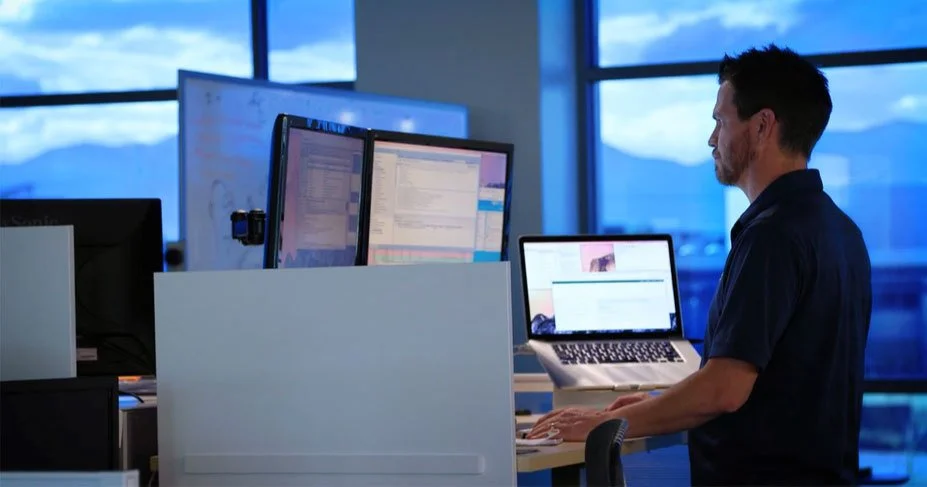
Light is a very common precipitant of eyestrain, such as in the case of staring at a computer monitor for long hours in a very dimly lit room. Given the fact that many people tend to blink less when doing computer tasks, the problem of eyestrain is often compounded by eye dryness and the symptoms of dry eyes.
What really helps?
The Optimal Amount of Light.
According to a new study conducted by Alan Hedge, a professor in the Department of Design and Environmental Analysis at Cornell, workers in daylit office environments reported a 51 percent drop in the incidence of eyestrain.
“The study found that optimizing the amount of natural light in an office significantly improves health and wellness among workers, leading to gains in productivity,” said Hedge.
“As companies increasingly look to empower their employees to work better and be healthier, it is clear that placing them in office spaces with the optimal amount of natural light should be one of their first considerations.”
To conduct the study, Hedge compared the experiences of workers in offices with traditional windows to workers in offices with auto-tinting “smart” windows that adapt to and control the sun’s energy to optimize natural light and reduce glare. The smart windows were manufactured by View Dynamic Glass.
“Lack of daylight and access to views decreases the ability for the eye to relax and recover from fatigue. Despite their best intentions, companies are unwittingly detracting from their employees’ health and performance by limiting their access to natural light,” said Dr. Brandon Tinianov, chair of the U.S. Green Building Council’s Advisory Council and vice president of industry strategy at View. “These findings are a wake-up call to every executive who wants to maximize the wellness and productivity of their workforce.”
CenturyLink Has a Happier Workforce with View
Monroe, Louisiana is a beautiful, small town with big heart. It’s also home to CenturyLink, one of the largest telecommunications companies in the United States, and an organization committed to improving the wellness of their most valuable asset: their people. Because the company culture is focused on it’s employees, they set out to create a […]
Robyn Hannah - Senior Director, Communications
CenturyLink Has a Happier Workforce with View
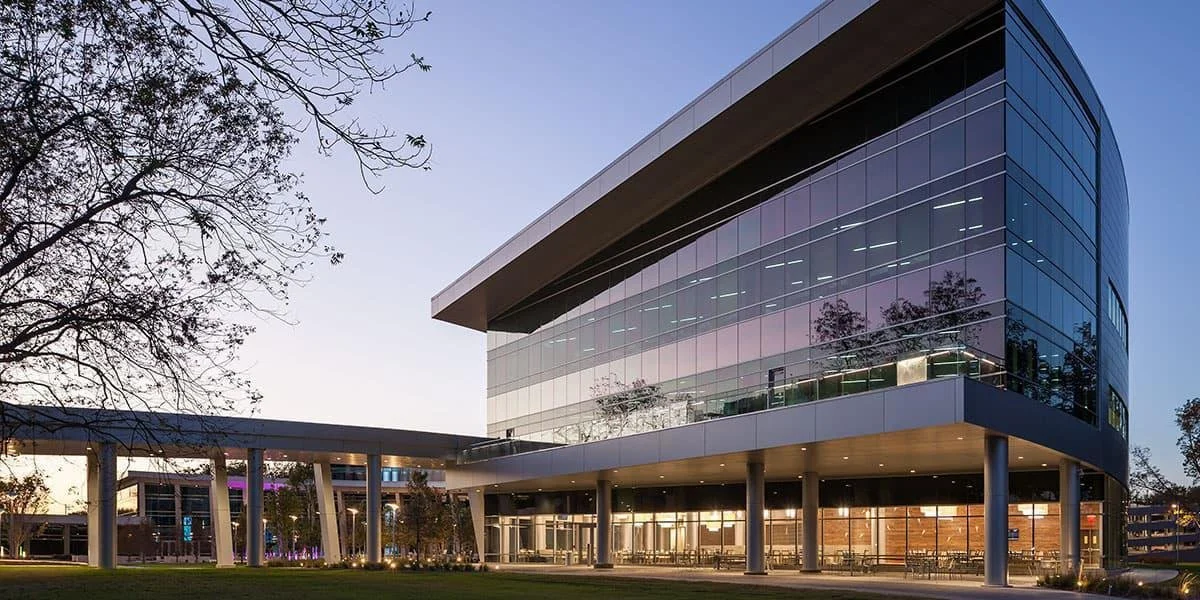
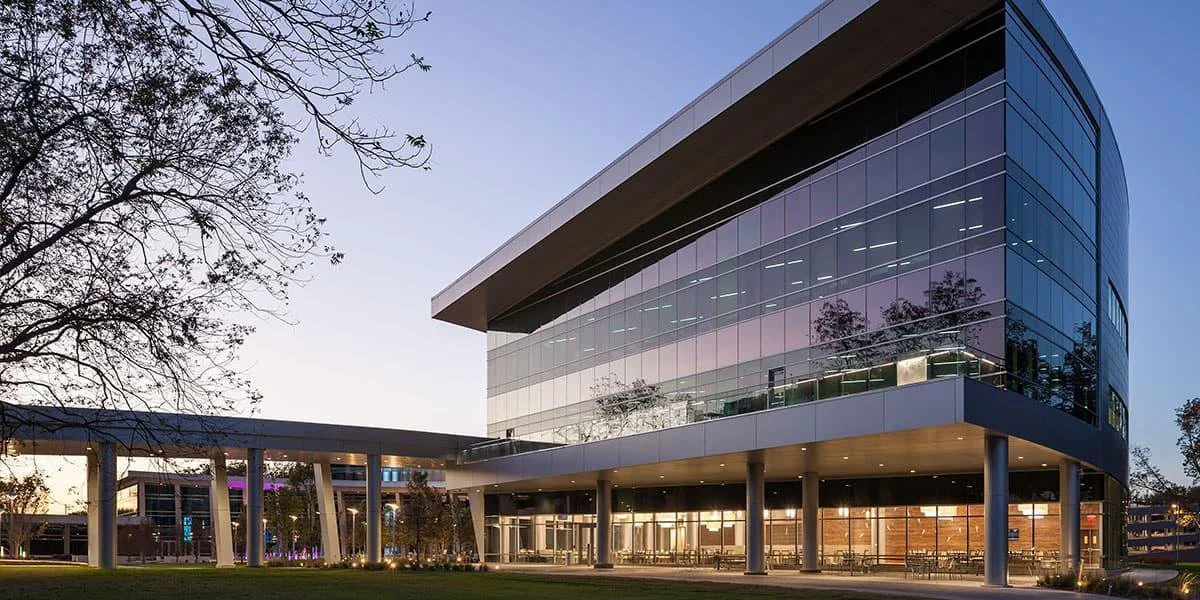
Monroe, Louisiana is a beautiful, small town with big heart. It’s also home to CenturyLink, one of the largest telecommunications companies in the United States, and an organization committed to improving the wellness of their most valuable asset: their people.
Because the company culture is focused on it’s employees, they set out to create a space that would make for a happier, more productive workforce, while attracting top talent and meeting their eco-friendly standards. By incorporating 37,000 square feet of View Dynamic Glass, CentruyLink was able to accomplish just that.
CenturyLink uses their beautiful new facilities to show employees and customers its commitment to excellence, wellness, and technology by choosing advanced electrochromic technology that aligns with its vision of making the center as technologically advanced as possible. The facility was designed and built to meet LEED Silver certification.
“Every architect dreams of designing buildings that harmonize with the environment and provide the best occupant experience,” says Dan Picket, principal architect at Moody Nolan, the firm leading the planning, development and design of the project. “Dynamically adjusting window glass has been known to be the game changer in building design, but remained the ‘technology of the future’ for a long time. We are pleased that View has executed on its product and operations to make this remarkable product the ‘technology of the present.’ We are excited to be designing multiple projects with View Dynamic Glass as the basis of design.”
“We expect the center to spur innovation, idea generation, and problem solving that will benefit our customers, our employees, and the communities we serve,” says CEO and President Glen F. Post, III.
Take a look at the new CenturyLink Technology center with View Dynamic Glass in one of our latest videos.
View Earns Healthcare Design Award
View Dynamic Glass has added another award to its mantle: the Silver Nightingale Award. The Nightingale Awards, the industry’s only awards program for interior healthcare products that contribute to healing through product design and innovation, recognized View Dynamic Glass’ contributions to the healthcare built environment in the Architectural Products: Non-Clinical category. Jurors selected 19 product […]
Brandon Tinianov – Sr. Director, Business Development
View Earns Healthcare Design Award
View Dynamic Glass has added another award to its mantle: the Silver Nightingale Award.
The Nightingale Awards, the industry’s only awards program for interior healthcare products that contribute to healing through product design and innovation, recognized View Dynamic Glass’ contributions to the healthcare built environment in the Architectural Products: Non-Clinical category.
Jurors selected 19 product winners from hundreds of exhibitors’ booths at the Healthcare Design Conference in San Diego, so we are delighted that View was able to make an impression in such a crowded field.
Among the many applications of View Dynamic Glass, healthcare is arguably the most significant, which is why we’re greatly honored by this distinction. The award is named after Florence Nightingale, a celebrated British reformer of hospitals in the 1800s whose mission still inspires us today.
As we all know, a hospital visit is rarely a welcome occasion, and traditionally the interior environment has done little to make that experience better. While research has indicated that views of the outdoors promote faster healing and natural daylighting can increase staff satisfaction, large window areas often create excess heat and glare, driving up energy costs. Hospitals have previously tackled this problem through complex shading structures, such as motorized blind systems, but technologies like View Dynamic Glass offer a new building skin to enhance the hospital experience and improve patient and staff wellness.
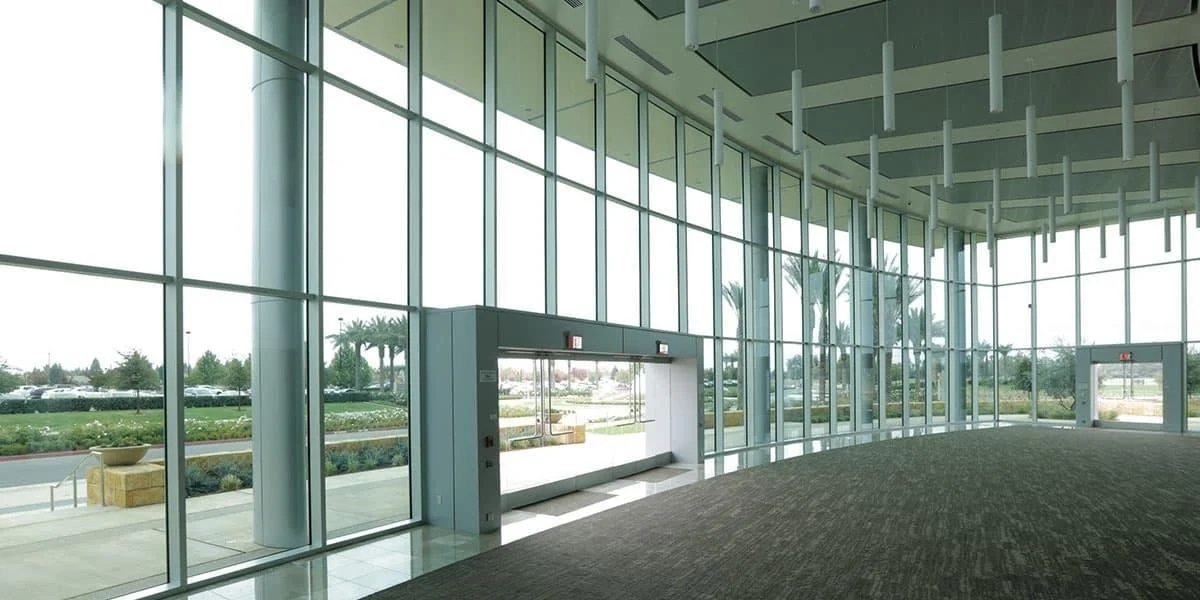
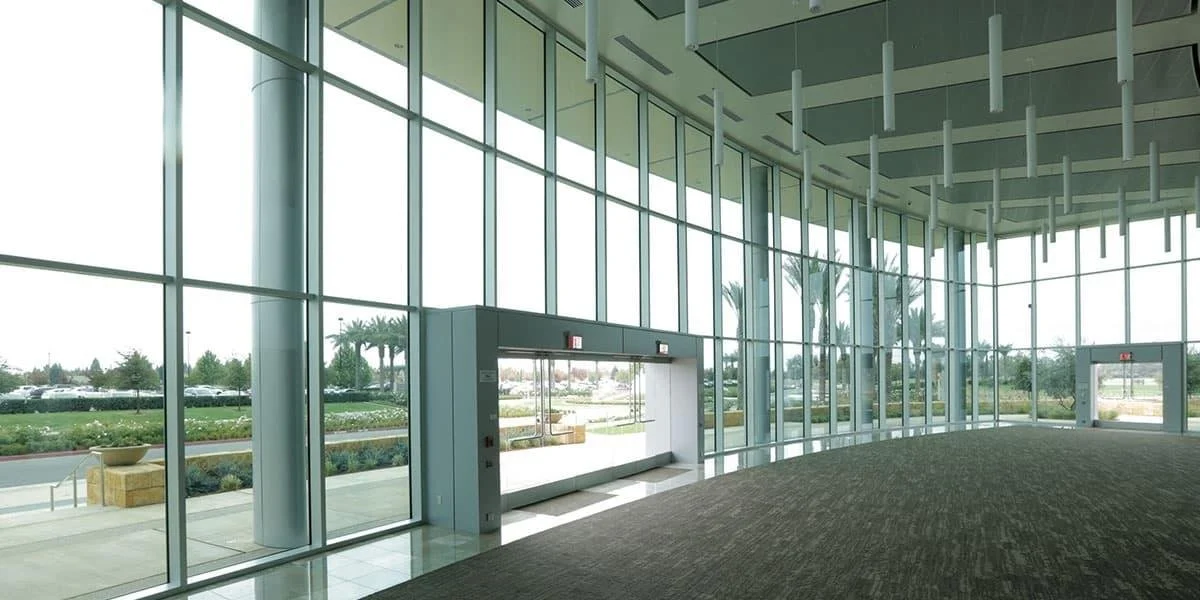
One of the judging criteria for the Nightingale Award is the product’s contribution to a healing environment. By providing uninterrupted views, enabling more natural light and rejecting glare and heat, View Dynamic Glass has helped hospitals and health centers throughout North America boost the mood for guests and patients. Our fast-growing healthcare portfolio includes the H. Marcus Radin Conference Center; the Methodist Olive Branch Hospital in Mississippi; and the Humber River Hospital in Toronto, Canada, set to open in fall of this year.
We believe View Dynamic Glass should be the center of any patient-focused healthcare building design, and this award validates that opinion.
Be sure to check out the January/February issue of Contract for the full list of Nightingale winners.